The Small Town (from Civilization in the United States)
By Louis Raymond Reid
Narrated by Ryan Durham
 Audiobooks
Showing results for
Nothing matches yet. Try one word of the title, or the author's last name.
See all results for “” →
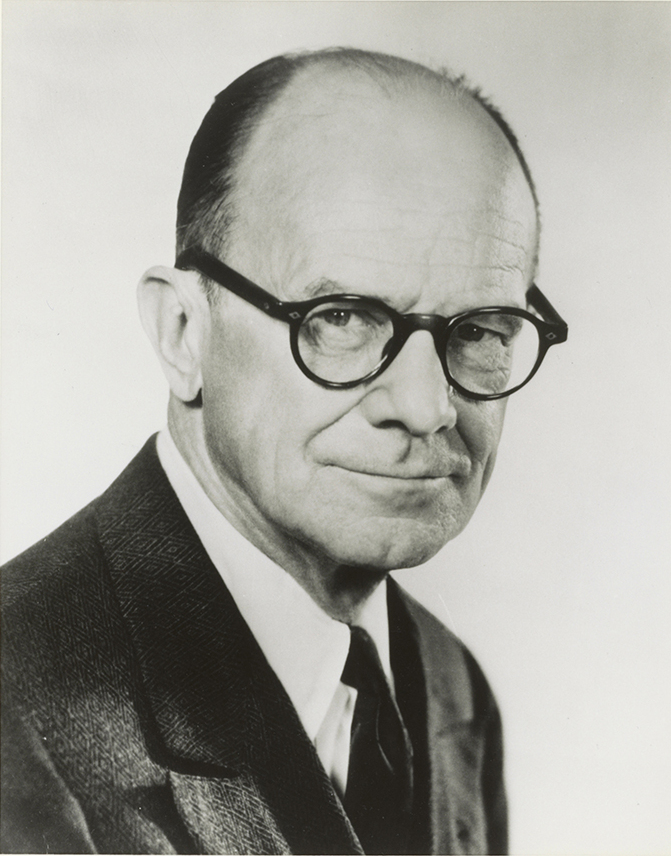
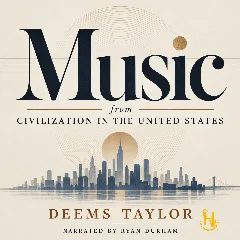
Deems Taylor was an American composer, radio commentator, music critic and author.More about Deems Taylor →

Hi, I’m Ryan Durham — husband, father, pastor and a passionate audiobook narrator!Hear more from Ryan → Tip Ryan for this narration →
by Deems Taylor · read by Ryan Durham · 47 min
Read more ↓Yours to keep: a DRM-free EPUB for any device. Read it here, or on Kindle (with Send to Kindle), Apple Books, Kobo or Google Play Books. Want both? Buy the audiobook and add the ebook for $0.99.
Enter your email and we'll send you a link to the full audiobook of Music (from Civilization in the United States). No account needed.
We'll also ask if you'd like new audiobooks by email. Privacy Policy✓ DRM-free, yours to keep. Download the files after you buy and play them anywhere.
Bought by mistake, or something wrong with the file? Email apica@academyvoices.com within 14 days for a full refund.
Bought by mistake or something wrong with the audio? Email apica@academyvoices.com within 14 days for a full refund.
Americans spend more on music than any other nation. They have fine orchestras and one of the world's great opera houses. Yet they have produced almost no great music of their own. Deems Taylor asks why. He weighs the excuses given for American composers and tests each one. This essay comes from Civilization in the United States, a 1922 collection edited by Harold Stearns. Read by Ryan Durham in fifty-two minutes.
Spoiler alert: this summary tells the whole story.
Taylor opens with a paradox. Americans spend more on music than any other nation, and the orchestras of Boston, Chicago and Philadelphia rank with the world's best, yet no successful American opera has ever played at the Metropolitan Opera House. Some people blame jealous foreign conductors or American prejudice against native music. Taylor rejects both excuses. American music, he says bluntly, is not heard more often because it is not good enough. It lacks structure and confidence, starts well and then falls into "the most appalling banalities," and fails at development, like a firework that ends in a pop.
Part of the problem is training. Many American composers cannot score for orchestra or even write a playable piano part. Good conservatories are rare and expensive, and young composers have no small orchestras to try out their work. Taylor also faults composers for their narrow lives: they ignore painting, literature and politics and have little artistic outlook at all.
The deeper cause, he argues, is the American attitude toward art. The nation's pioneers had no time for music, and the Puritans saw it as wicked unless it served a moral purpose. So Americans still ask of art only that it teach a lesson or help them pass the time. Music, the least "meaningful" of the arts, suffers most. Its serious support is left almost entirely to women's clubs, which Taylor thinks makes it too concerned with being edifying. Audiences come to see star performers rather than hear music. Composers are respected only if they make money, which is why America's light music and musical comedy are the best in the world. Snobbish "highbrows" wrongly sneer at Victor Herbert, Irving Berlin and Jerome Kern. Earlier American composers trained in Germany and wrote German music, and the present generation, hunting for an American folk song, borrows Black spirituals or Native American melodies that do not speak for all Americans.
Taylor does see hope. Phonographs and player pianos are quietly teaching people to love music, and the big movie palaces, such as Samuel Rothafel's Rialto with Hugo Riesenfeld's orchestra, are bringing Wagner, Dvořák and Beethoven to ordinary moviegoers who discover they enjoy it. In the end, he says, America has no single race or shared feeling for a composer to speak for. The American composer can only write honestly for himself, and if he is true to himself, he may at last say something that is of America and of nowhere else.
The essay is a lively, opinionated snapshot of American musical life in 1922, written just before jazz and composers like Gershwin and Copland changed the picture, and many of its questions about art and national identity are still debated.
We squander millions every year upon an art that we cannot produce.
The train is laid, the match is applied, and the spectators crowd back in delighted terror amid tremendous hissings and sputterings. But when the awaited detonation comes, it is too often only a pop.
If people get the kind of government they deserve, they most certainly get the kind of art they demand
I write to express John Smith. I accept my life because, after all, it is mine, and I interpret my life because it is the only life I know.
Join our list and we'll email you 25% off, plus new releases from our store. Every one is read by a real person. No account needed.
Composer and critic Deems Taylor asks why America spends more on music than any other nation yet produces so few good composers, and blames poor training, a Puritan distrust of beauty and a country with no shared emotional roots.
Deems Taylor, the essay's author, an American composer and music critic; Edward MacDowell, the composer Taylor calls America's best, who died before his work was done; Charles Griffes, a gifted young composer whose death Taylor mourns; Samuel Rothafel and Hugo Riesenfeld, the showman and conductor who brought symphonic music to movie audiences at the Rialto.
This edition of Music (from Civilization in the United States) by Deems Taylor is narrated by Ryan Durham.
It runs 47 min, unabridged, so you hear the complete text.
Yes. Every Academy Voices audiobook is Certified Human Voice: performed start to finish by a real narrator.
Right here: buy it on Academy Voices and listen in your browser or our app. Hear a free sample on this page first.
By Louis Raymond Reid
Narrated by Ryan Durham
By J. E. Spingarn
Narrated by Ryan Durham