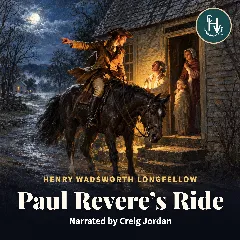
Hear it read by Creig Jordan: the audiobook is right here
Story guide on this page: summary, characters, discussion questions
Yours to keep: a DRM-free EPUB for any device. Read it here, or on Kindle (with Send to Kindle), Apple Books, Kobo or Google Play Books.
Want both? Buy the audiobook and add the ebook for $0.99.
Free audiobook
Listen to the whole story free
Enter your email and we'll send you a link to the full audiobook of Paul Revere's Ride. No account needed.
We'll also ask if you'd like new audiobooks by email. Privacy Policy
✓ DRM-free, yours to keep. Download the files after you buy and play them anywhere.
Yours to keepBuy once, it stays in your library
Listen anywhereIn our app on your phone or computer
Bought by mistake, or something wrong with the file? Email apica@academyvoices.com within 14 days for a full refund.
Bought by mistake or something wrong with the audio? Email apica@academyvoices.com within 14 days for a full refund.
About this audiobookAbout this book
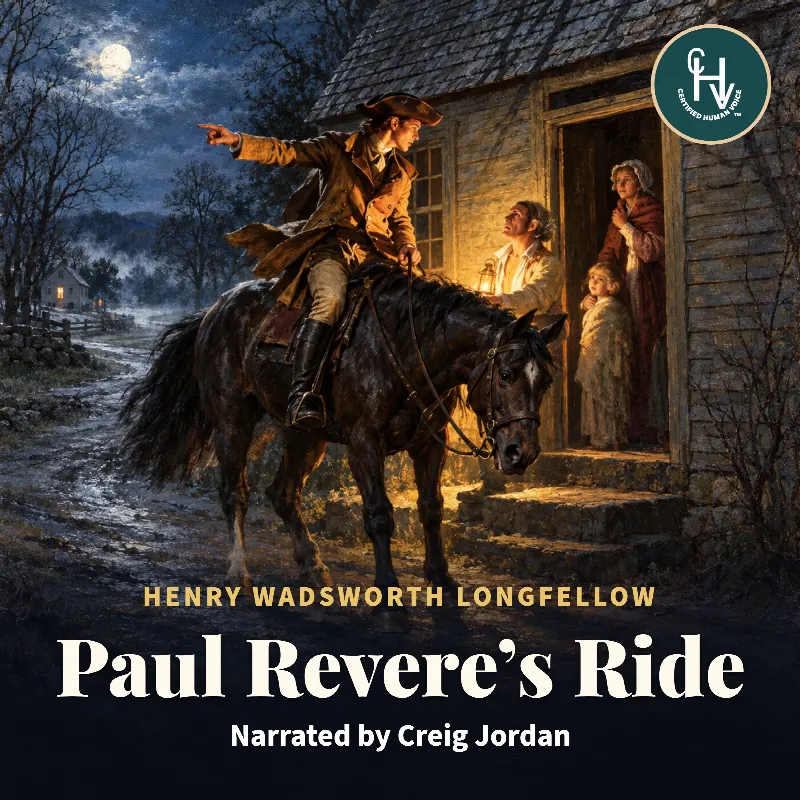
It is the night of April 18, 1775. A lantern signal hangs in the Old North Church: one if by land, two if by sea. Paul Revere waits across the river, then mounts his horse and rides through the dark to warn every village that the British are coming.
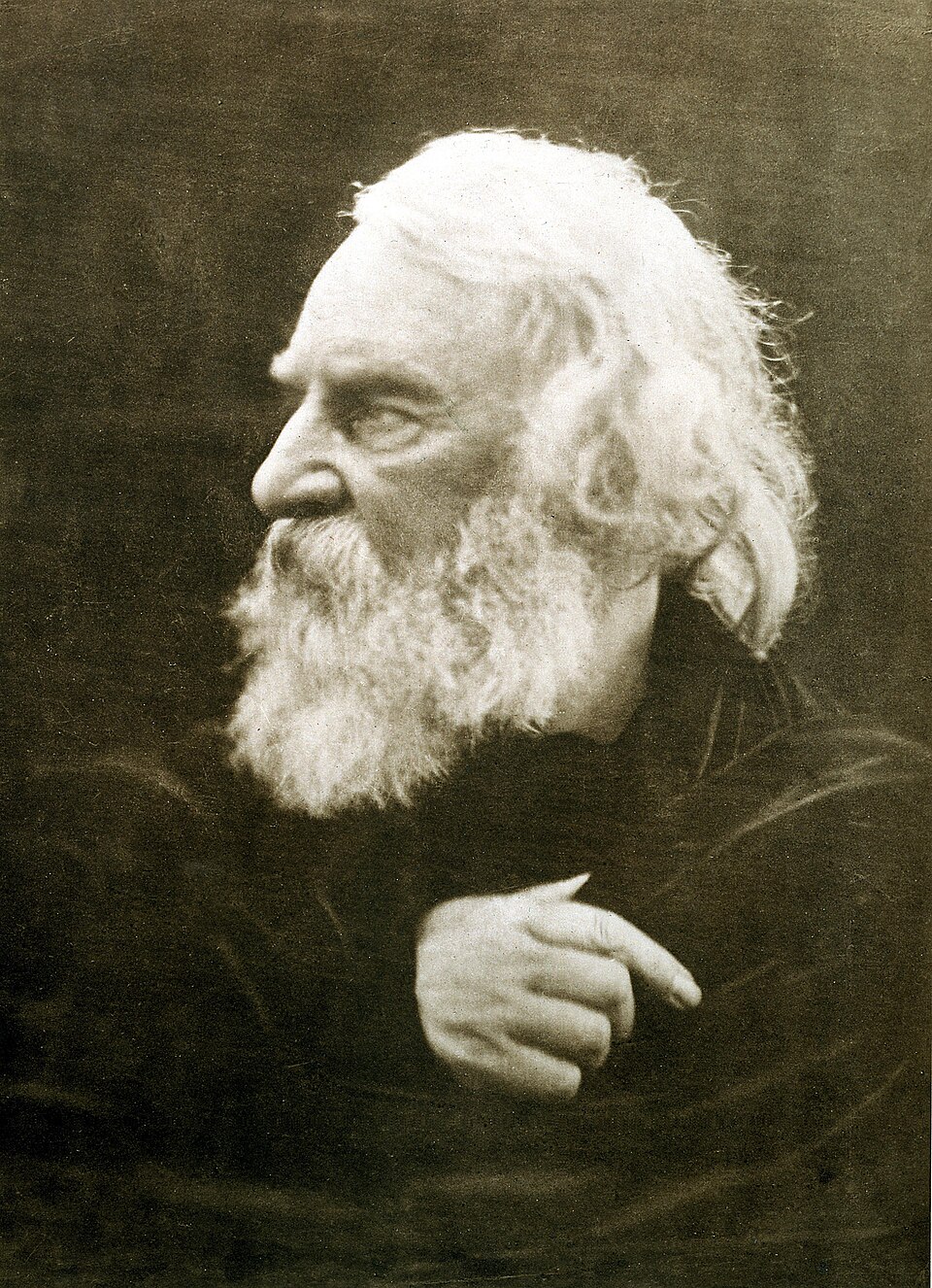
Henry Wadsworth Longfellow's famous poem of the midnight ride that began the Revolution, read by Creig Jordan. Seven minutes of galloping rhythm and American history.
Story guide
Paul Revere's Ride summary
Spoiler alert: this summary tells the whole story.
The poem opens with the famous call, "Listen, my children, and you shall hear / Of the midnight ride of Paul Revere." Revere tells a friend to watch the British troops in Boston and hang lanterns in the tower of the Old North Church as a signal: one if they leave by land, two if by sea. Then Revere rows quietly across to Charlestown, past the British warship Somerset.
His friend climbs the dark church tower, past startled pigeons, and looks over the moonlit town and the graveyard below. On the far shore Revere waits beside his horse, watching the steeple. A light appears, and then a second one. The British are crossing by water.
Revere gallops through the night. At twelve he crosses the bridge into Medford, at one he reaches Lexington, and at two he comes to the bridge at Concord, where a farmer sleeps who will be among the first to die in the morning's fighting. The poem then sums up the battle: the farmers fire from behind fences and walls and chase the redcoats back down the road. It ends by promising that in every hour of danger, Americans will remember Revere's cry and his horse's hoofbeats.
With its driving, hoofbeat rhythm, the poem turned Revere into a national hero and is still one of the most memorized and recited poems in America.
Famous lines
Listen, my children, and you shall hear / Of the midnight ride of Paul Revere,
The opening lines
One, if by land, and two, if by sea;
Paul Revere
The fate of a nation was riding that night;
The narrator
A cry of defiance and not of fear,
The narrator
Main characters
PR
Paul RevereA Boston patriot who rides through the night to warn the countryside.
RF
Revere's friendThe unnamed man who climbs the Old North Church tower to hang the signal lanterns.
BT
The British troopsThe redcoats marching out of Boston toward Lexington and Concord.
Did you know?
Longfellow changed history to tell a better story. In real life the lanterns were a signal from Revere to others, not to Revere, and other riders, including William Dawes and Samuel Prescott, helped spread the alarm.
The real Revere never reached Concord. He was stopped by a British patrol on the road after leaving Lexington.
The poem appeared on the eve of the Civil War, and many readers took its call to wake up in "the hour of darkness and peril and need" as a message for their own time.
Questions to talk about
How does Longfellow make the poem sound like a galloping horse?
Why do you think the poem gives so much attention to the friend in the church tower?
What does Longfellow mean by "The fate of a nation was riding that night"?
The poem is not fully accurate. Does that matter? What is the difference between history and legend?
Who else might deserve a poem about that night, and why?
New listeners
Get 25% off your first audiobook
Join our list and we'll email you 25% off, plus new releases from our store. Every one is read by a real person. No account needed.
Details
Length
7 min
Narration
Solo narrator
Format
Unabridged audiobook
Publisher
Academy Voices
Language
English
ISBN
9798347300259
Cover art
After Howard Smith, The Children's Own Longfellow (1908)
Questions
What is Paul Revere's Ride about?
Longfellow's galloping poem about Paul Revere's midnight ride on April 18, 1775, warning the Massachusetts countryside that British troops were on the march.
Who are the main characters in Paul Revere's Ride?
Paul Revere, a Boston patriot who rides through the night to warn the countryside; Revere's friend, the unnamed man who climbs the Old North Church tower to hang the signal lanterns; The British troops, the redcoats marching out of Boston toward Lexington and Concord.
Who narrates the Paul Revere's Ride audiobook?
This edition of Paul Revere's Ride by Henry Wadsworth Longfellow is narrated by Creig Jordan.
How long is the Paul Revere's Ride audiobook?
It runs 7 min, unabridged, so you hear the complete text.
Is this audiobook narrated by a real person?
Yes. Every Academy Voices audiobook is Certified Human Voice: performed start to finish by a real narrator.
Where can I listen to Paul Revere's Ride?
Right here: buy it on Academy Voices and listen in your browser or our app. Hear a free sample on this page first.