The Small Town (from Civilization in the United States)
By Louis Raymond Reid
Narrated by Ryan Durham
 Audiobooks
Showing results for
Nothing matches yet. Try one word of the title, or the author's last name.
See all results for “” →
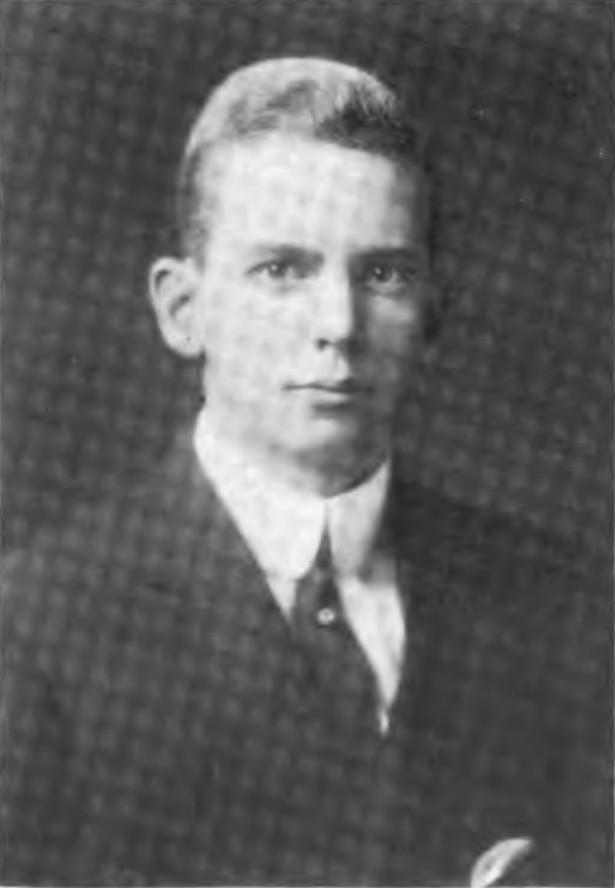
George Soule was an American labor economist and author, and a long time editor and contributor to The New Republic.More about George Soule →

Hi, I’m Ryan Durham — husband, father, pastor and a passionate audiobook narrator!Hear more from Ryan → Tip Ryan for this narration →
by George Soule · read by Ryan Durham · 40 min
Read more ↓Yours to keep: a DRM-free EPUB for any device. Read it here, or on Kindle (with Send to Kindle), Apple Books, Kobo or Google Play Books. Want both? Buy the audiobook and add the ebook for $0.99.
Enter your email and we'll send you a link to the full audiobook of Radicalism (from Civilization in the United States). No account needed.
We'll also ask if you'd like new audiobooks by email. Privacy Policy✓ DRM-free, yours to keep. Download the files after you buy and play them anywhere.
Bought by mistake, or something wrong with the file? Email apica@academyvoices.com within 14 days for a full refund.
Bought by mistake or something wrong with the audio? Email apica@academyvoices.com within 14 days for a full refund.
What is a radical? George Soule says the word has become a weapon rather than a description. In America, he argues, people who are called radicals are deported, jailed, kept out of the mail and driven from the hall. He sets out to find what American radicalism really is and why it is so feared. This essay comes from Civilization in the United States, a 1922 collection edited by Harold Stearns. Read by Ryan Durham in forty minutes.
Spoiler alert: this summary tells the whole story.
Soule begins by noting that in America "radical" has become less a definition than a weapon. People called radicals are deported, jailed and silenced, and to the typical American Legion member a radical is anyone from a Bolshevik to a writer of free verse. The radicals themselves are no help, split into tiny sects that call each other traitors.
He rejects the idea of lining people up from right to left. By the dictionary, a radical is one who goes to the root of things, and in that sense radicalism is an American tradition: Jefferson's talk of inalienable rights was truly radical. But the ideals of 1776 have frozen into a conservative creed. Judges use the old language of freedom and the "right of contract" to strike down child-labor and eight-hour-day laws, and new radicalism is blamed on foreigners.
Real economic radicalism, Soule argues, comes from the worker's wish for dignity and a voice in his own working life, a wish to extend democracy into industry. The war and the Russian Revolution raised such hopes, but they faded. He surveys the radical groups of the day: a Socialist Party crippled by its stand against the war, quarreling Communist parties loyal to Moscow, the new Farmer-Labor Party, the successful Nonpartisan League of farmers, and the fading I.W.W., which, in William Z. Foster's words, was "absolutely against results."
Too many radicals, Soule says, escape into slogans and daydreams of revolution. "Radicals wish to reorganize the industrial system; would they know how to organize a factory?" He finds hope in unions such as the Amalgamated Clothing Workers, in engineers studying industrial waste and in cooperatives. Like the alchemist who gave up the philosopher's stone and learned chemistry, radicals must test their ideas against facts.
The essay is a thoughtful, fair-minded picture of the American left during the Red Scare years, and a still-useful argument about the gap between big ideas and practical change.
Frozen radicalism of the past chills and destroys the new roots of American life.
Radicals wish to reorganize the industrial system; would they know how to organize a factory?
The I.W.W. were absolutely against results.
Join our list and we'll email you 25% off, plus new releases from our store. Every one is read by a real person. No account needed.
George Soule's 1922 essay on what radicalism really means in America, why radical movements were so weak after the First World War, and how they might grow by dealing with real work instead of dreams.
George Soule, the journalist and economist who wrote the essay; Thomas Jefferson, the founder whose radical words, Soule argues, have become a shrine for conservatives; William Z. Foster, a labor organizer whose sharp analysis of the I.W.W. Soule quotes; Samuel Gompers, the head of the American Federation of Labor, whose unions kept away from radical politics.
This edition of Radicalism (from Civilization in the United States) by George Soule is narrated by Ryan Durham.
It runs 40 min, unabridged, so you hear the complete text.
Yes. Every Academy Voices audiobook is Certified Human Voice: performed start to finish by a real narrator.
Right here: buy it on Academy Voices and listen in your browser or our app. Hear a free sample on this page first.
By Louis Raymond Reid
Narrated by Ryan Durham
By J. E. Spingarn
Narrated by Ryan Durham