The Small Town (from Civilization in the United States)
By Louis Raymond Reid
Narrated by Ryan Durham
 Audiobooks
Showing results for
Nothing matches yet. Try one word of the title, or the author's last name.
See all results for “” →
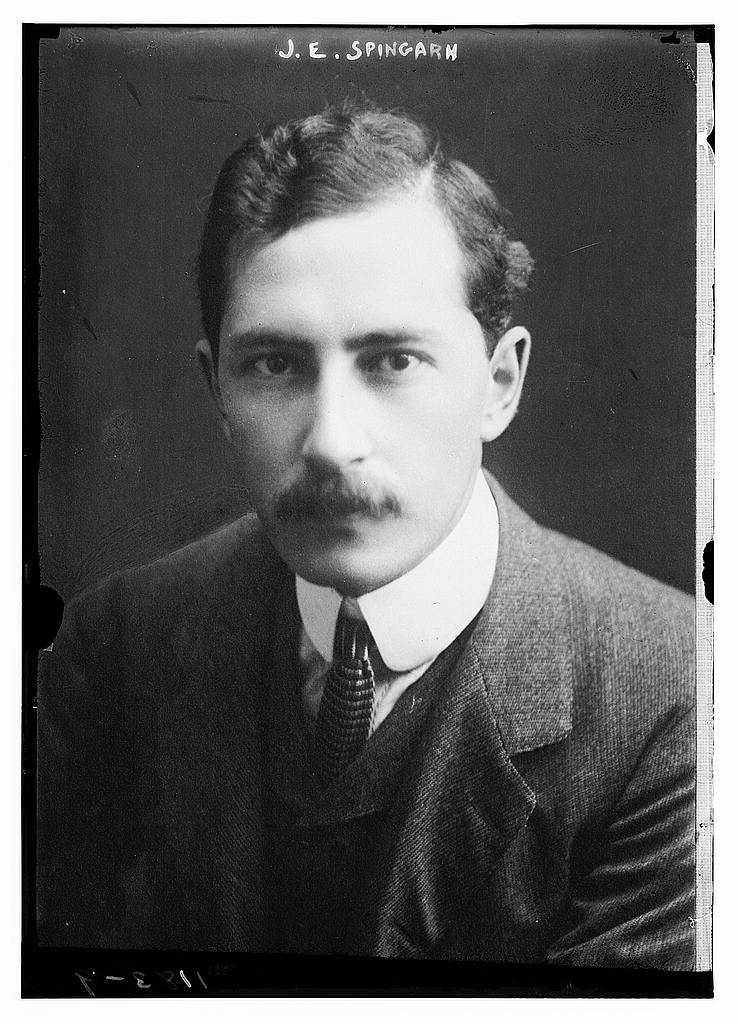
Joel Elias Spingarn was an American educator, literary critic, civil rights activist, military intelligence officer and horticulturalist.More about J. E. Spingarn →
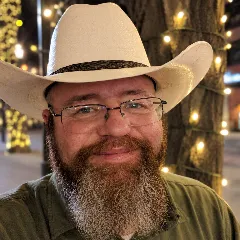
Hi, I’m Ryan Durham — husband, father, pastor and a passionate audiobook narrator!Hear more from Ryan → Tip Ryan for this narration →
by J. E. Spingarn · read by Ryan Durham · 43 min
Read more ↓Yours to keep: a DRM-free EPUB for any device. Read it here, or on Kindle (with Send to Kindle), Apple Books, Kobo or Google Play Books. Want both? Buy the audiobook and add the ebook for $0.99.
Enter your email and we'll send you a link to the full audiobook of Scholarship and Criticism (from Civilization in the United States). No account needed.
We'll also ask if you'd like new audiobooks by email. Privacy Policy✓ DRM-free, yours to keep. Download the files after you buy and play them anywhere.
Bought by mistake, or something wrong with the file? Email apica@academyvoices.com within 14 days for a full refund.
Bought by mistake or something wrong with the audio? Email apica@academyvoices.com within 14 days for a full refund.
A vigorous call to restore imagination, judgment, and intellectual courage to American culture. In this essay from Civilization in the United States, J. E. Spingarn challenges universities and critics to recover the purpose behind their learning. He questions scholarship reduced to collecting information and criticism governed by moral verdicts, fashionable theories, or personal taste alone. For Spingarn, knowledge finds its greatest value in serving thought and imagination. Meaningful criticism requires cultivated taste, intellectual discipline, and the ability to enter sympathetically into another person’s creative vision. His argument reaches beyond literature to ask how a nation develops a rich inner life. Narrated by Ryan Durham, this classic work of cultural criticism offers an invitation to reconsider how we teach, read, and judge. An engaging listen for educators, students of literature, and anyone drawn to aesthetics, American intellectual history, and the life of ideas.
Spoiler alert: this summary tells the whole story.
Spingarn opens by granting that no nation shines in every field. England has no great music and Germany no great sculpture. But a civilization should show some spiritual life, some soul, and he sees signs of spiritual hunger on American faces and in American scholarship and criticism.
In the first part he defines scholarship not as dull learning but as the discipline that comes from mastering a real problem of the human spirit. America's best historians, he notes, were mostly not professors, and its universities turn out dissertations, textbooks and "feats of historical engineering." Literary scholarship is in even worse shape: no American has produced a great work of classical learning, and Harvard alone has twice as many English professors as Oxford and Cambridge combined. The root problem, he says, is that America has a body but no soul: "We have scholars without scholarship, as there are churches without religion."
In the second part he turns to criticism. American critics, he argues, have no philosophy of art, so they argue about labels and morals. He describes three camps: Puritan moralists, reformers who judge books by their ideas, and believers in art for art's sake. All three miss the point. A true poet must "leap over" his own opinions into the world of imagination, the way Milton set out to make Satan a demon and ended by making him a hero. Critics who demand logic from poetry, he shows with examples from Shakespeare and Carl Sandburg, simply make fools of themselves.
Spingarn names three needs for American criticism: training in aesthetic thinking, real scholarship and, greatest of all, a deeper taste. He closes by calling Americans "parvenus" in a new world of machines and new wealth, and asks why the country's colleges cannot be filled with true scholars and thinkers.
The essay is a sharp, often witty challenge from one of the leading critics of his day, and its questions about what universities and critics are for still feel current.
We have scholars without scholarship, as there are churches without religion.
Only in this way can we gain what America lacks, the brain-illumined soul.
We are all cocksure but bewildered children in a world we cannot understand.
Join our list and we'll email you 25% off, plus new releases from our store. Every one is read by a real person. No account needed.
Critic J. E. Spingarn's 1922 essay arguing that America has scholars without real scholarship and critics without a philosophy of art, and calling for taste, thought and knowledge to work together.
J. E. Spingarn, the literary critic and former Columbia professor who wrote the essay; Carl Sandburg, the poet whose image of steel made from smoke and blood an American critic attacked as "loose thinking."; Thomas Rymer, a seventeenth-century critic, called the worst who ever lived, who complained of illogic in Shakespeare's Othello.
This edition of Scholarship and Criticism (from Civilization in the United States) by J. E. Spingarn is narrated by Ryan Durham.
It runs 43 min, unabridged, so you hear the complete text.
Yes. Every Academy Voices audiobook is Certified Human Voice: performed start to finish by a real narrator.
Right here: buy it on Academy Voices and listen in your browser or our app. Hear a free sample on this page first.
By Louis Raymond Reid
Narrated by Ryan Durham
By Clarence Britten
Narrated by Brett Carter
By Raffaello Piccoli
Narrated by Eleesha Lewis