Written by
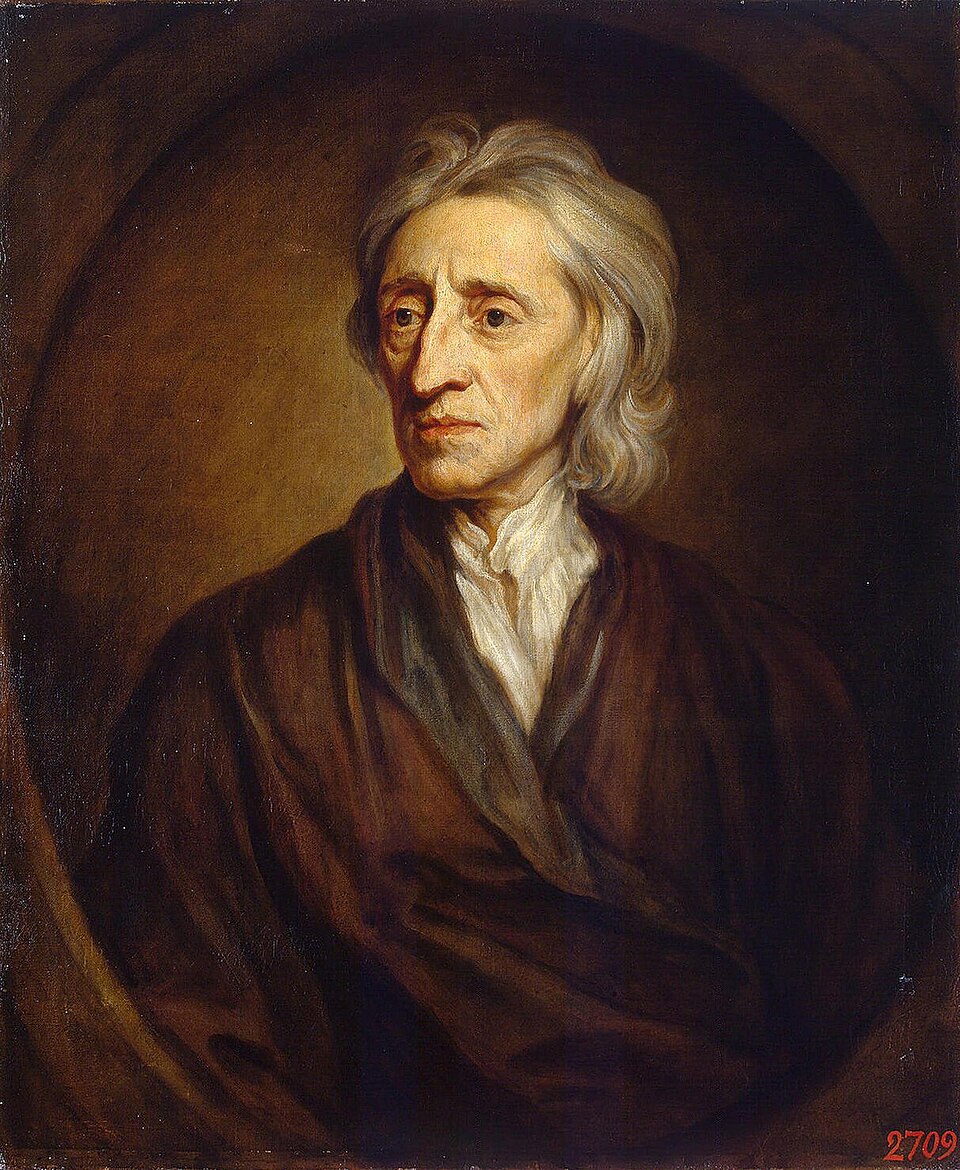
John Locke1 audiobook with Academy Voices
John Locke was an English philosopher and physician, widely regarded as one of the most influential thinkers of the Enlightenment.More about John Locke →
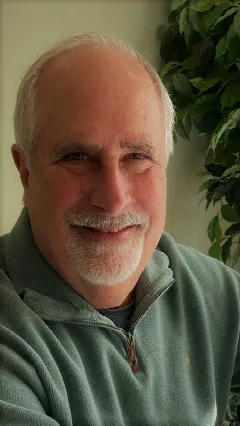
Read by a real person
JOHN RIDDLE20 audiobooks with Academy Voices
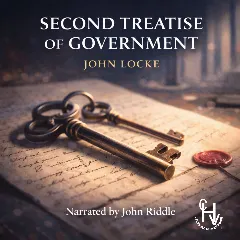
John Locke asks where government gets its right to rule. He starts with people living without it, and argues that people agree to be governed to protect their lives, liberty and property.
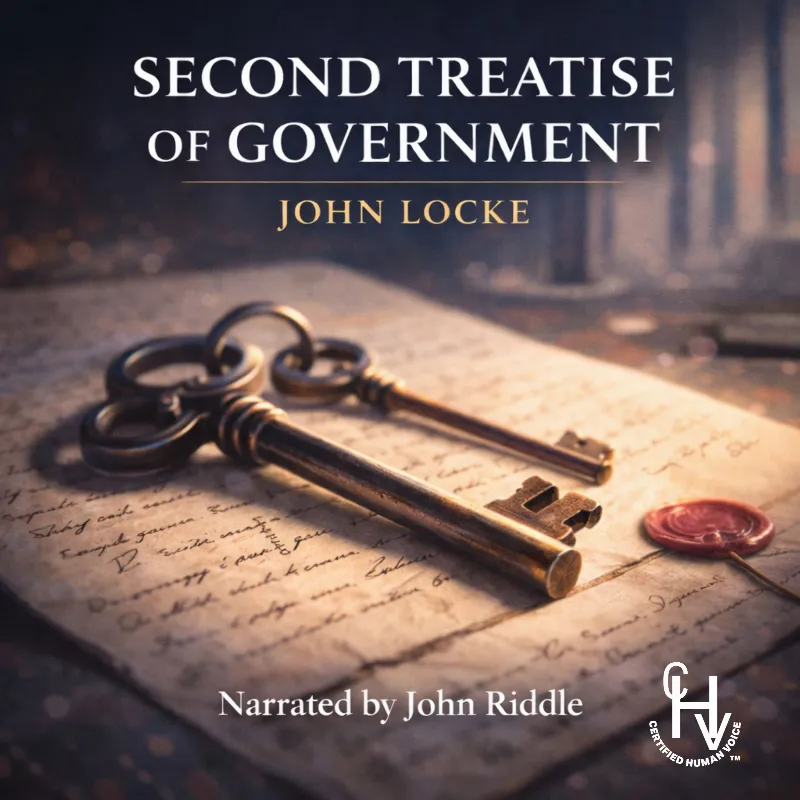
Hear it read by JOHN RIDDLE: the audiobook is right here
Story guide on this page: summary, characters, discussion questions
Yours to keep: a DRM-free EPUB for any device. Read it here, or on Kindle (with Send to Kindle), Apple Books, Kobo or Google Play Books.
Want both? Buy the audiobook and add the ebook for $0.99.
✓ DRM-free, yours to keep. Download the files after you buy and play them anywhere.
Yours to keepBuy once, it stays in your library
Listen anywhereIn our app on your phone or computer
Bought by mistake, or something wrong with the file? Email apica@academyvoices.com within 14 days for a full refund.
Bought by mistake or something wrong with the audio? Email apica@academyvoices.com within 14 days for a full refund.
About this audiobookAbout this book
John Locke asks where government gets its right to rule. He starts with people living without it, and argues that people agree to be governed to protect their lives, liberty and property.
Published in 1689, this essay influenced the American founders. Read by JOHN RIDDLE. Over seven hours.
For readers who want to know where modern ideas about rights and consent come from. It is one of the founding texts of liberal thought, and it is still a clear read when heard aloud.
Story guide
Second Treatise of Government summary
Spoiler alert: this summary tells the whole story.
Locke begins by imagining people in a "state of nature," before any government exists. In this state, all people are free and equal. No one is born to rule another. Yet it is not a state of chaos, because a law of nature, which is reason, teaches that no one ought to harm another in his life, health, liberty or possessions. When someone breaks that law, each person has the right to punish the offender. Locke also explains the state of war, which begins when one person tries to put another under his absolute power.
Next Locke explains property. God gave the earth to all people in common, but each person owns his own body and his own labor. When someone mixes his labor with something from nature, by picking fruit or farming a field, it becomes his property. At first this right was limited by what a person could use without waste. The invention of money allowed people to store up wealth and made larger and unequal holdings possible.
Because it is risky and inconvenient for everyone to judge and punish on their own, people agree to join together into a political society. They give up their power to enforce the law of nature to a common government, which makes laws, judges disputes and defends the community. Government rests on the consent of the governed, and the majority decides. Locke separates the power to make laws, which he calls the supreme power, from the power to carry them out, and insists that rulers are bound by the laws too. He also argues that a father's power over his children is temporary and gives no model for a king's power.
Finally Locke asks what happens when government goes wrong. Conquest by force gives no right to rule, and a ruler who acts beyond the law becomes a tyrant. When rulers betray the trust placed in them, by seizing people's property or ruling by force instead of law, the government is dissolved and the people may set up a new one. Locke argues that this right of the people is the best defense against rebellion, because it is tyrants who truly rebel.
Published in 1689, just after England's Glorious Revolution, the Second Treatise became one of the most influential works of political thought ever written. Its ideas of natural rights, consent and the right to resist tyranny echo through the American Declaration of Independence and modern democracies.
Famous lines
a state of perfect freedom to order their actions, and dispose of their possessions and persons, as they think fit, within the bounds of the law of nature
Locke, on the state of nature
being all equal and independent, no one ought to harm another in his life, health, liberty, or possessions
Locke, on the law of nature
Thus in the beginning all the world was America
Locke, on property
the end of law is not to abolish or restrain, but to preserve and enlarge freedom
Locke
Main characters
JL
John LockeThe English philosopher and physician who wrote the treatise.
SR
Sir Robert FilmerA royalist writer who defended the divine right of kings, whose ideas Locke set out to refute.
RH
Richard HookerAn Elizabethan churchman, "the judicious Hooker," whom Locke quotes often in support of his views.
Did you know?
Locke published the Two Treatises anonymously and only admitted he was the author in his will.
The title page is dated 1690, though the book actually appeared in late 1689.
Thomas Jefferson counted Locke among the three greatest men who ever lived, and Locke's ideas about life, liberty and property echo in the Declaration of Independence.
Questions to talk about
What does Locke mean by the state of nature? Do you think such a state ever really existed?
How does a person come to own property, according to Locke? Do you agree?
Why do people agree to form governments, if they are free in nature?
When, according to Locke, do people have the right to replace their government?
Where can you see Locke's ideas in the American Declaration of Independence or Constitution?
For your class
Students: listen along while you read. Second Treatise of Government runs 7 hr 17 min, read by JOHN RIDDLE. Press play on the free sample above to hear the voice first.
Tell us about your class and we'll send you one code your students can all use.
New listeners
Get 25% off your first audiobook
Join our list and we'll email you 25% off, plus new releases from our store. Every one is read by a real person. No account needed.
Details
Length
7 hr 17 min
Narration
Solo narrator
Format
Unabridged audiobook
Publisher
Academy Voices
Language
English
ISBN
9798240131820
Questions
What is Second Treatise of Government about?
John Locke's famous essay argues that people are born free and equal, that governments exist to protect their lives, liberty and property, and that a government that betrays this trust may be replaced.
Who are the main characters in Second Treatise of Government?
John Locke, the English philosopher and physician who wrote the treatise; Sir Robert Filmer, a royalist writer who defended the divine right of kings, whose ideas Locke set out to refute; Richard Hooker, an Elizabethan churchman, "the judicious Hooker," whom Locke quotes often in support of his views.
Who narrates the Second Treatise of Government audiobook?
This edition of Second Treatise of Government by John Locke is narrated by JOHN RIDDLE.
How long is the Second Treatise of Government audiobook?
It runs 7 hr 17 min, unabridged, so you hear the complete text.
Is this audiobook narrated by a real person?
Yes. Every Academy Voices audiobook is Certified Human Voice: performed start to finish by a real narrator.
Where can I listen to Second Treatise of Government?
Right here: buy it on Academy Voices and listen in your browser or our app. Hear a free sample on this page first.