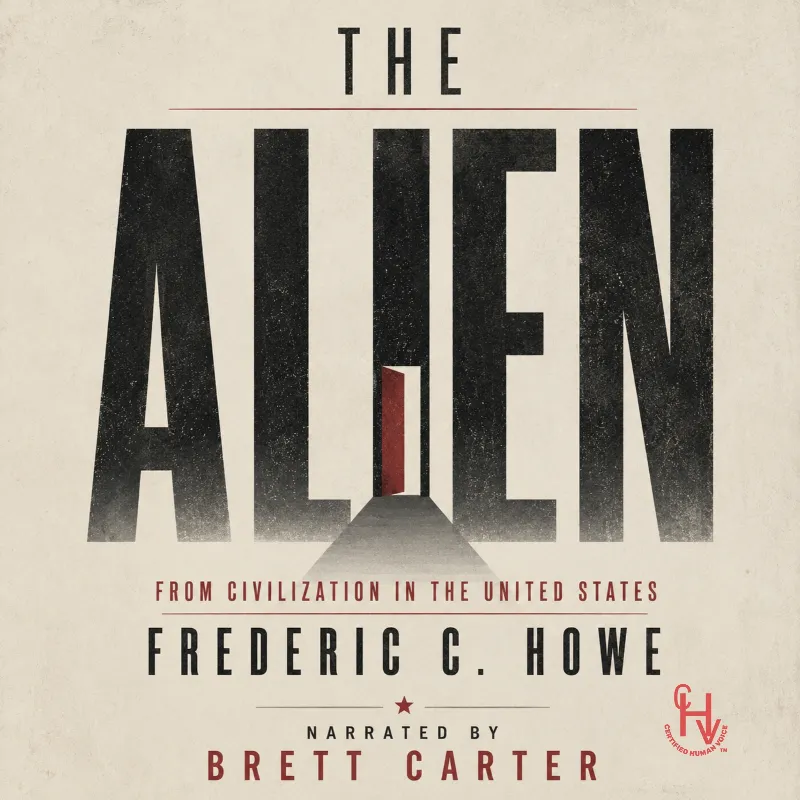
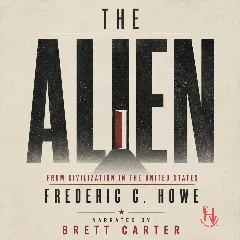
The immigrant has been discussed as an Anglo-Saxon problem, a labor problem and a problem of institutions. Frederic C. Howe argues that the real problem is how America looks after itself.
Hear it read by Brett Carter: the audiobook is right here
Story guide on this page: summary, characters, discussion questions
Yours to keep: a DRM-free EPUB for any device. Read it here, or on Kindle (with Send to Kindle), Apple Books, Kobo or Google Play Books.
Want both? Buy the audiobook and add the ebook for $0.99.
Free audiobook
Listen to the whole story free
Enter your email and we'll send you a link to the full audiobook of The Alien (from Civilization in the United States). No account needed.
We'll also ask if you'd like new audiobooks by email. Privacy Policy
✓ DRM-free, yours to keep. Download the files after you buy and play them anywhere.
Yours to keepBuy once, it stays in your library
Listen anywhereIn our app on your phone or computer
Bought by mistake, or something wrong with the file? Email apica@academyvoices.com within 14 days for a full refund.
Bought by mistake or something wrong with the audio? Email apica@academyvoices.com within 14 days for a full refund.
About this audiobookAbout this book
The immigrant has been discussed as an Anglo-Saxon problem, a labor problem and a problem of institutions. Frederic C. Howe argues that the real problem is how America looks after itself. We are all aliens, he says, and most of us are descended from the poor of Europe. The immigrant stops being an alien when the economy takes him in.
This essay comes from Civilization in the United States, a 1922 collection edited by Harold Stearns. Read by Brett Carter in thirty-eight minutes.
Story guide
The Alien (from Civilization in the United States) summary
Spoiler alert: this summary tells the whole story.
Howe opens by saying that Americans talk about "the alien" as a problem, when nearly all Americans descend from poor European immigrants. People left Europe because of poverty and harsh land laws, then and now. What changed, he argues, is not the immigrant but America itself.
He contrasts the "old immigration" from Northern Europe with the "new immigration" from Southern and Central Europe that grew after about 1890. The real difference, he says, is not race or religion but money. Early settlers found free land and became their own masters. By the time the new immigrants came, the land was gone. They went to the mines, mills and tenements to work for others, often brought over in gangs by employers seeking cheap labor. Drawing on his five years running Ellis Island, he describes the newcomers as hopeful, hardworking and kind. Crime among them, he argues, comes from poverty, not from where they were born.
Howe traces how immigration laws followed economic interests. He covers the early open door, the exclusion of the poor, the sick and radicals, the 1917 literacy test and the new quota law, which he says were designed to favor Northern Europeans. Even so, immigrants have risen with amazing speed, often by joining labor unions. He saves his harshest words for the deportation system. He calls it a disgrace, comparing it to the fugitive slave laws: one official arrests, tries and jails the immigrant, with no jury and almost no appeal.
His answer is to treat immigration as part of a wider American problem. He proposes helping both immigrants and native-born workers find jobs and own homes and farms, with government land grants and credit as in Denmark and Australia, and putting immigrants' savings to work for them. The best cure for radicalism, he writes, is not deportation but a home. Written in the tense years after World War I and the Red Scare, the essay remains a sharp, personal argument in a debate America is still having.
Famous lines
There is something rather humorous about the way America discusses “the alien.” For we are all aliens.
Frederic C. Howe
The alien will Americanize himself if he is given the opportunity to do so.
Frederic C. Howe
The best cure for Bolshevism is not deportation but a home, a farm, a governmental policy of land settlement.
Frederic C. Howe
Our deportation laws are a disgrace to any country.
Frederic C. Howe
Main characters
FC
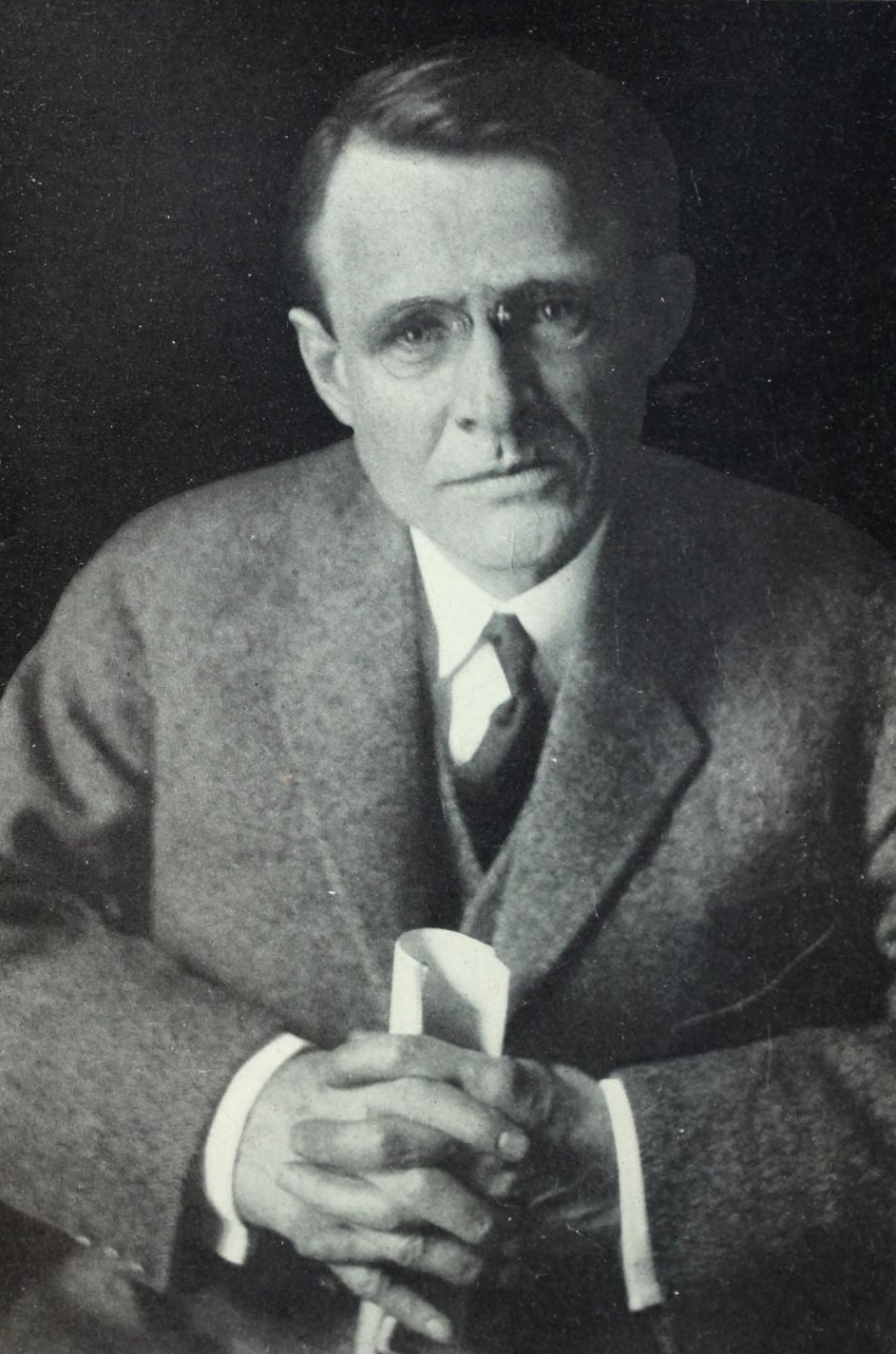
Frederic C. HoweThe author, a reformer who served five years as the immigration official in charge of Ellis Island.
Did you know?
Howe served as U.S. Commissioner of Immigration at the Port of New York, which included Ellis Island, from 1914 to 1919.
The quota law Howe criticizes, limiting each country to three percent of its people already here, was the Emergency Quota Act of 1921.
Civilization in the United States gathered essays by thirty writers, including H. L. Mencken and Lewis Mumford, on many sides of American life.
Questions to talk about
Howe says "we are all aliens." How does he use this idea to change the terms of the debate?
Why does Howe believe free land mattered more than laws or constitutions in shaping early Americans?
What evidence from his Ellis Island years does he offer, and how convincing is it?
Why does he compare deportation laws to the fugitive slave laws? Is the comparison fair?
Which of Howe's arguments still come up in immigration debates today?
New listeners
Get 25% off your first audiobook
Join our list and we'll email you 25% off, plus new releases from our store. Every one is read by a real person. No account needed.
Details
Length
34 min
Narration
Solo narrator
Format
Unabridged audiobook
Publisher
Academy Voices
Language
English
ISBN
9798182620987
Questions
What is The Alien (from Civilization in the United States) about?
Frederic C. Howe, a former head of Ellis Island, argues that America's immigration "problem" is really an economic problem, and that immigrants would become Americans quickly if given a fair chance at land and a home.
Who are the main characters in The Alien (from Civilization in the United States)?
Frederic C. Howe, the author, a reformer who served five years as the immigration official in charge of Ellis Island.
Who narrates The Alien (from Civilization in the United States) audiobook?
This edition of The Alien (from Civilization in the United States) by Frederic C. Howe is narrated by Brett Carter.
How long is The Alien (from Civilization in the United States) audiobook?
It runs 34 min, unabridged, so you hear the complete text.
Is this audiobook narrated by a real person?
Yes. Every Academy Voices audiobook is Certified Human Voice: performed start to finish by a real narrator.
Where can I listen to The Alien (from Civilization in the United States)?
Right here: buy it on Academy Voices and listen in your browser or our app. Hear a free sample on this page first.