Hear it read by Jacqueline Tyler: the audiobook is right here
Story guide on this page: summary, characters, discussion questions
Yours to keep: a DRM-free EPUB for any device. Read it here, or on Kindle (with Send to Kindle), Apple Books, Kobo or Google Play Books.
Want both? Buy the audiobook and add the ebook for $0.99.
✓ DRM-free, yours to keep. Download the files after you buy and play them anywhere.
Yours to keepBuy once, it stays in your library
Listen anywhereIn our app on your phone or computer
Bought by mistake, or something wrong with the file? Email apica@academyvoices.com within 14 days for a full refund.
Bought by mistake or something wrong with the audio? Email apica@academyvoices.com within 14 days for a full refund.
About this audiobookAbout this book
In 1892 three friends of Ida B. Wells were lynched in Memphis. She began to investigate and publish the facts. The Red Record presents statistics, the stated reasons given for lynchings, and detailed accounts of individual cases from the early 1890s.
Ida B. Wells, a journalist and anti-lynching activist, wrote it in 1895 to make Americans face what was happening. Read by Jacqueline Tyler. Over four hours, a hard but important piece of American history.
Story guide
The Red Record summary
Spoiler alert: this summary tells the whole story.
The Red Record opens with a letter of thanks from Frederick Douglass, who praises Ida B. Wells for letting the facts speak for themselves. Wells then states her case. Since the end of slavery, she writes, thousands of Black Americans have been killed by mobs without any trial, while almost no white man has ever been punished for killing a Black person.
She traces the excuses white Southerners gave over the years. First they claimed they were putting down Black "race riots" that never actually happened. Then they claimed they had to prevent "Negro domination" at the ballot box. When Black voters had been driven from the polls, a third excuse appeared: that lynching was needed to protect white women from assault. Wells sets out to show that this claim is false.
To make her case she relies mostly on lynching records kept by the Chicago Tribune, a white newspaper, so no one can accuse her of inventing numbers. She lists lynchings by year, by state and by the alleged offense, and shows that most victims were not even accused of assault. People were lynched for theft, for quarrels, for being "saucy," for no offense at all, and sometimes simply in place of someone else. She describes cases of innocent men, of a person with a mental disability, and of horrific public burnings, and she records cases where relationships between white women and Black men were consensual and later called assault.
Wells also answers her critics, including Frances Willard of the Woman's Christian Temperance Union, who had attacked her campaign. She closes with a remedy: a fair trial for anyone accused and equal punishment under the law. She asks readers to spread the facts, to have churches and civic groups protest every lynching, and to remind the South that investors avoid places ruled by mobs.
The Red Record is a landmark of investigative journalism and of the civil rights movement. Its method of using an opponent's own data to expose the truth still feels powerful today.
Famous lines
You have dealt with the facts with cool, painstaking fidelity, and left those naked and uncontradicted facts to speak for themselves.
Frederick Douglass, in his letter to Wells
It is a well-established principle of law that every wrong has a remedy.
Ida B. Wells, opening "The Remedy"
The answer always is: "Tell the world the facts."
Ida B. Wells, on how readers can help
Main characters
IB
Ida B. WellsThe journalist and activist who compiled the record and wrote the book.
FD
Frederick DouglassThe famous abolitionist whose letter of praise opens the book.
FW
Frances WillardThe leader of the Woman's Christian Temperance Union, whose criticism of Wells gets a full chapter in reply.
Did you know?
Wells began her anti-lynching campaign in 1892, after a white mob in Memphis lynched her friend Thomas Moss and two other Black grocers.
That same year a mob destroyed the office of her Memphis newspaper, the Free Speech, while she was away in New York.
In 2020 Wells was awarded a posthumous Pulitzer Prize special citation for her reporting on the violence against Black Americans during the era of lynching.
Questions to talk about
Why did Wells rely on statistics from a white newspaper instead of her own sources?
What are the three excuses for mob violence that Wells describes, and how does she answer each one?
Why do you think Frederick Douglass said her pamphlet was more convincing than his own speeches?
Which of the remedies Wells proposes do you think would have worked best? Why?
How does The Red Record compare to investigative journalism today?
Chapters
The Red Record chapters
ChapterStarts at
Preface0:23
One2:16
Two27:54
Three46:17
Four1:18:18
Five1:41:10
Six2:17:53
Seven2:53:47
Eight3:17:07
Nine3:48:43
Show all 11 chapters
Ten4:05:42
New listeners
Get 25% off your first audiobook
Join our list and we'll email you 25% off, plus new releases from our store. Every one is read by a real person. No account needed.
Details
Length
4 hr 20 min
Narration
Solo narrator
Format
Unabridged audiobook
Publisher
Academy Voices
Language
English
ISBN
9798347371747
Cover art
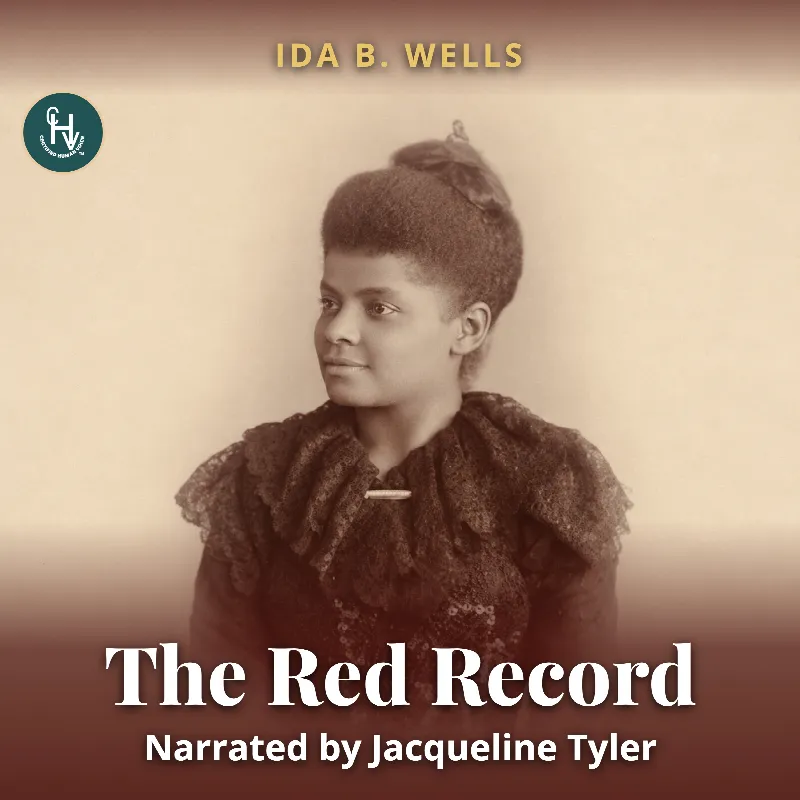
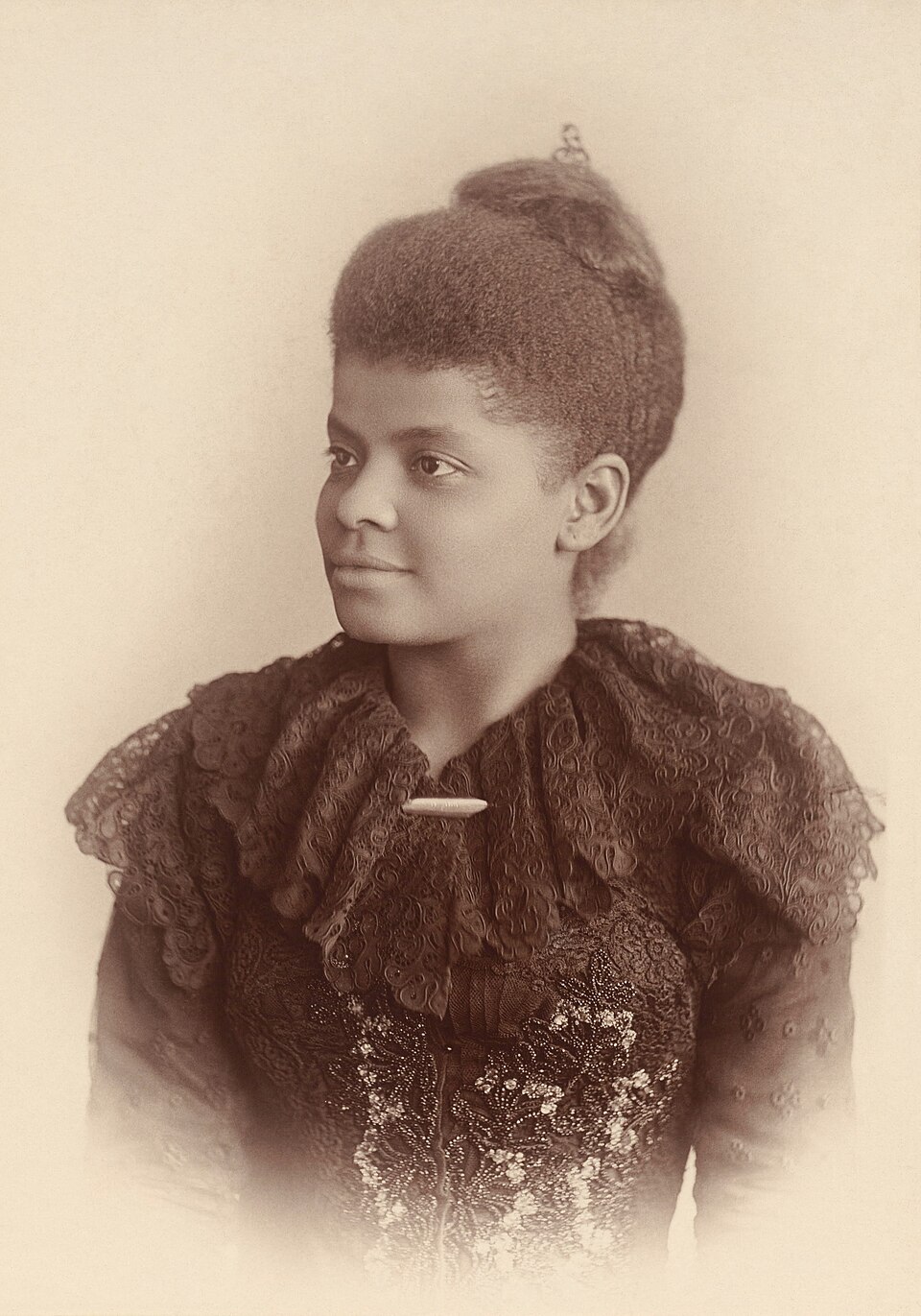
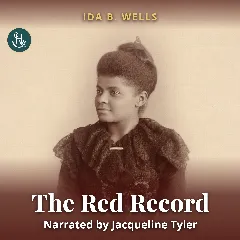
Mary Garrity, portrait of Ida B. Wells (about 1893)
Questions
What is The Red Record about?
Journalist Ida B. Wells gathers the records of lynchings in the United States, mostly from white newspapers, and uses those facts to tear apart the excuses given for mob murder and call the nation to act.
Who are the main characters in The Red Record?
Ida B. Wells, the journalist and activist who compiled the record and wrote the book; Frederick Douglass, the famous abolitionist whose letter of praise opens the book; Frances Willard, the leader of the Woman's Christian Temperance Union, whose criticism of Wells gets a full chapter in reply.
Who narrates The Red Record audiobook?
This edition of The Red Record by Ida B. Wells is narrated by Jacqueline Tyler.
How long is The Red Record audiobook?
It runs 4 hr 20 min, unabridged, so you hear the complete text.
Is this audiobook narrated by a real person?
Yes. Every Academy Voices audiobook is Certified Human Voice: performed start to finish by a real narrator.
Where can I listen to The Red Record?
Right here: buy it on Academy Voices and listen in your browser or our app. Hear a free sample on this page first.