Written by
Henry David Thoreau11 audiobooks with Academy Voices
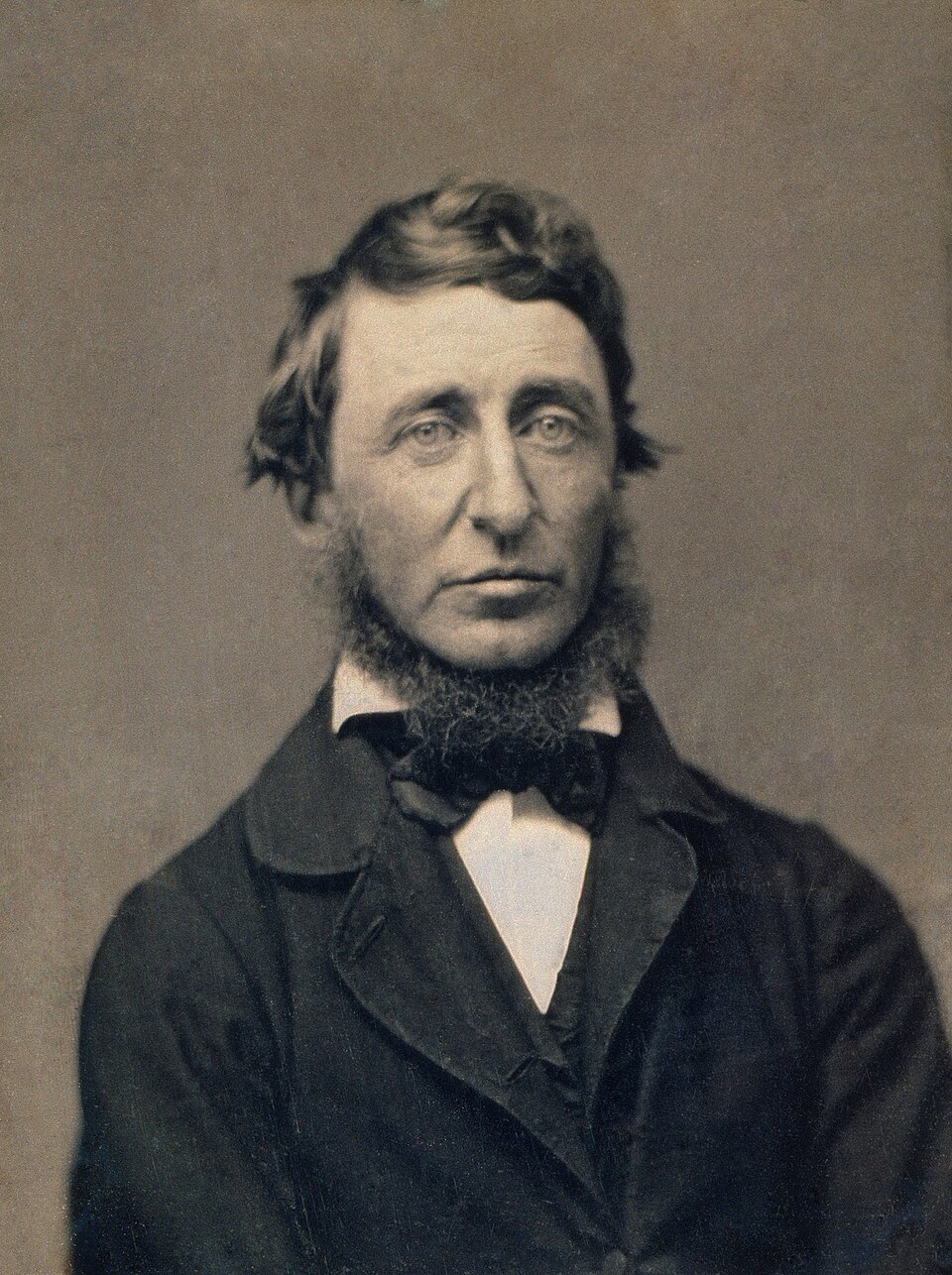
Henry David Thoreau was an American essayist, naturalist and philosopher from Concord, Massachusetts.More about Henry David Thoreau →
Read by a real person
Greg Cooper15 audiobooks with Academy Voices
Teacher, musician, singer, songwriter and audiobook narrator
A narrator of fiction, character voices, and non-fiction, self help and religious books
M…Hear more from Greg →Tip Greg for this narration →
Hear it read by Greg Cooper: the audiobook is right here
Story guide on this page: summary, characters, discussion questions
Yours to keep: a DRM-free EPUB for any device. Read it here, or on Kindle (with Send to Kindle), Apple Books, Kobo or Google Play Books.
Want both? Buy the audiobook and add the ebook for $0.99.
✓ DRM-free, yours to keep. Download the files after you buy and play them anywhere.
Yours to keepBuy once, it stays in your library
Listen anywhereIn our app on your phone or computer
Bought by mistake, or something wrong with the file? Email apica@academyvoices.com within 14 days for a full refund.
Bought by mistake or something wrong with the audio? Email apica@academyvoices.com within 14 days for a full refund.
About this audiobookAbout this book
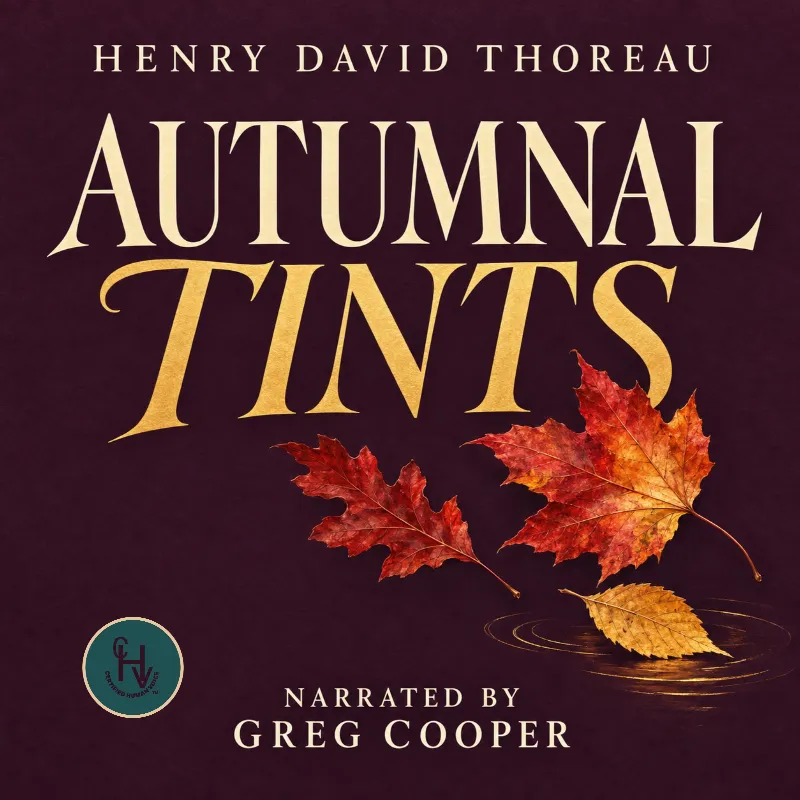
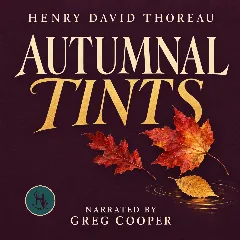
Step into the richest weeks of the year with Henry David Thoreau’s luminous portrait of fall. With the precision of a naturalist and the heart of a poet, Thoreau follows the season’s arc—from August’s purple grasses to October’s scarlet oaks—charting the blaze of maples, the mellow gold of elms, the rustle and fragrance of fallen leaves, and the quiet coves where leaf-fleets drift. Every color and sound becomes a meditation on ripeness, simplicity, perception, and the art of truly seeing. Greg Cooper’s warm, companionable narration guides you along riverbanks and up sunlit hills, opening a living gallery of New England’s autumn. Part field journal, part philosophical reverie, this immersive listen renews your senses and steadies the spirit. For walkers, gardeners, nature lovers, and admirers of classic American prose, Autumnal Tints is a restorative escape—and a reminder that the world grows richer the instant we are prepared to notice it.
Story guide
Autumnal Tints summary
Spoiler alert: this summary tells the whole story.
Thoreau begins by noting that Europeans are amazed by the blazing colors of an American autumn, and that English poetry barely mentions such a thing. Even many Americans who live in towns have never really looked. Most people, he says, confuse changed leaves with withered ones, as if ripe apples were rotten ones. He argues that bright color is a sign of ripeness: leaves, like fruit, reach their perfect maturity just before they fall. "October is the month for painted leaves." He once dreamed of making a book of pressed leaves from every plant at its brightest color.
He then walks the reader through the season in a series of portraits. First come the purple grasses, a fine purple mist in the fields that farmers never notice because it is not worth mowing. Then the red maple, flaming in the swamps by late September like a banner. Then the elms along the village street, whose yellow masses remind him of sheaves of grain, as if the harvest had come to the village itself.
In "Fallen Leaves" he describes the great leaf harvest of mid-October, when leaves drift into hollows and fill the brooks, and he finds a lesson in how gracefully they lie down to decay and enrich the soil. Let us walk in the cemetery of the leaves, he says. Next comes the sugar maple, glowing on the village common, and he wishes towns would plant more such trees in place of their dull flags.
The essay ends with the scarlet oak, whose deeply cut leaves he admires most of all, and with a lesson about seeing. The colors are everywhere every year, but people walk past them for a lifetime because they are not looking. Just as a hunter finds game where others see nothing, we find beauty only when we bring our minds and eyes to it. All leaves, Thoreau believes, even grasses and mosses, take on a brighter color before they fall.
Written as Thoreau was dying, "Autumnal Tints" is one of his most beautiful pieces of nature writing and a lasting invitation to slow down and really look.
Famous lines
October is the month for painted leaves.
Henry David Thoreau
October is its sunset sky; November the later twilight.
Henry David Thoreau
Let us walk in the cemetery of the leaves—this is your true Greenwood Cemetery.
Henry David Thoreau
Objects are concealed from our view, not so much because they are out of the course of our visual ray as because we do not bring our minds and eyes to bear on them;
Henry David Thoreau
Main characters
HD
Henry David ThoreauThe author and narrator, a careful, poetic observer of the woods and fields around his Massachusetts town.
Did you know?
Thoreau prepared the essay for publication while he was dying of tuberculosis. It appeared in The Atlantic Monthly in October 1862, five months after his death.
It was later collected in Excursions (1863), a book of his nature essays.
Thoreau first gave much of this material as a public lecture in the late 1850s.
Questions to talk about
Why does Thoreau compare bright leaves to ripe fruit rather than to dying things? How does that change the way you see fall?
Thoreau says we see only what we are prepared to see. Can you think of something you noticed only after someone pointed it out?
Why do you think the farmer never notices the purple grass?
What lesson does Thoreau draw from fallen leaves? Why might that have mattered to him while he was ill?
Choose one tree near you and describe its fall color the way Thoreau would. What do you notice that you missed before?
Chapters
Autumnal Tints chapters
ChapterStarts at
Introduction0:13
Chapter 15:58
Chapter 219:54
Chapter 329:11
Chapter 431:48
Chapter 544:32
Chapter 658:38
Chapter 71:21:46
Chapter 81:35:52
New listeners
Get 25% off your first audiobook
Join our list and we'll email you 25% off, plus new releases from our store. Every one is read by a real person. No account needed.
Details
Length
1 hr 59 min
Narration
Solo narrator
Format
Unabridged audiobook
Publisher
Anthony Pica Productions, LLC
Language
English
ISBN
9798179316978
Questions
What is Autumnal Tints about?
In his last essay, Henry David Thoreau celebrates the brilliant colors of New England's fall leaves, tree by tree, and argues that we see only what we prepare ourselves to see.
Who are the main characters in Autumnal Tints?
Henry David Thoreau, the author and narrator, a careful, poetic observer of the woods and fields around his Massachusetts town.
Who narrates the Autumnal Tints audiobook?
This edition of Autumnal Tints by Henry David Thoreau is narrated by Greg Cooper.
How long is the Autumnal Tints audiobook?
It runs 1 hr 59 min, unabridged, so you hear the complete text.
Is this audiobook narrated by a real person?
Yes. Every Academy Voices audiobook is Certified Human Voice: performed start to finish by a real narrator.
Where can I listen to Autumnal Tints?
Right here: buy it on Academy Voices and listen in your browser or our app. Hear a free sample on this page first.