Written by
Hans Christian Andersen34 audiobooks with Academy Voices
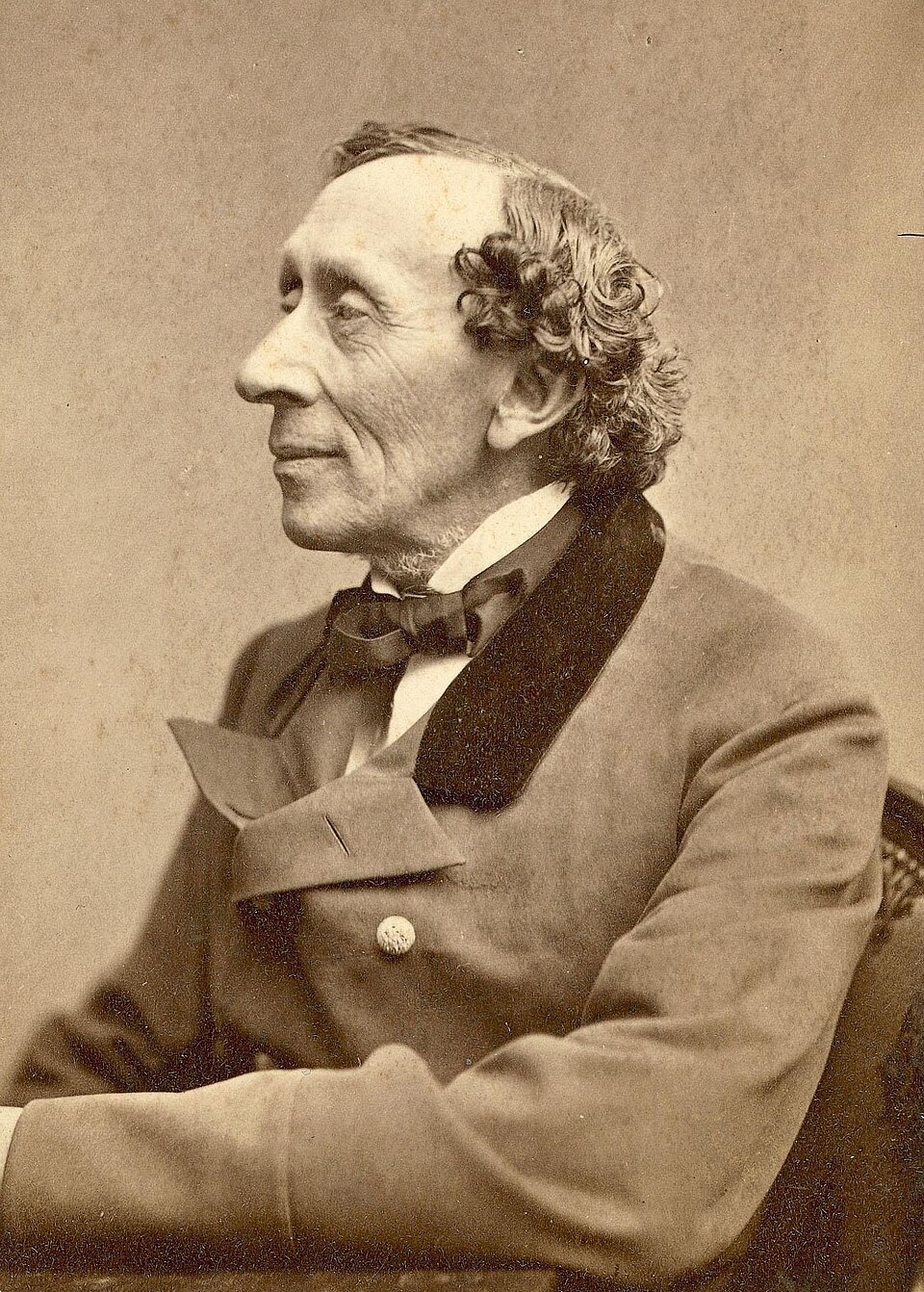
Hans Christian Andersen was born to a poor family in Odense, Denmark, and went to Copenhagen at fourteen to make his way in the theater.More about Hans Christian Andersen →
L
Read by a real person
Laura Harris1 audiobook with Academy Voices
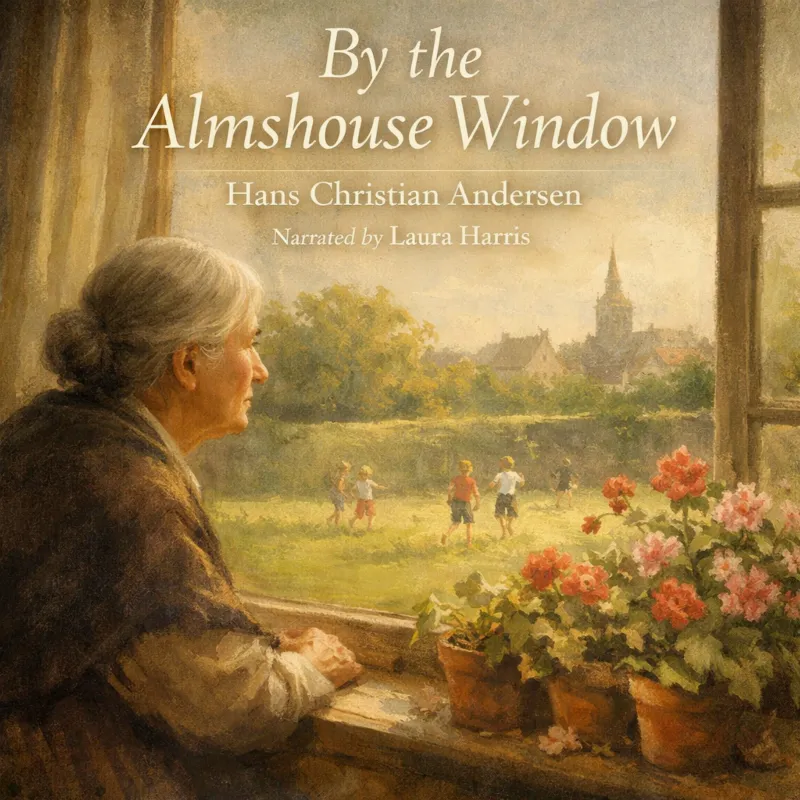
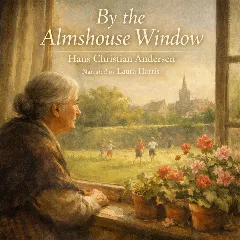
An old woman sits at the window of an almshouse in Copenhagen and watches children play on the rampart below. They run about with red cheeks and bare feet, not knowing the old stories that belong to the ground they play on.
Hear it read by Laura Harris: the audiobook is right here
Story guide on this page: summary, characters, discussion questions
Yours to keep: a DRM-free EPUB for any device. Read it here, or on Kindle (with Send to Kindle), Apple Books, Kobo or Google Play Books.
Want both? Buy the audiobook and add the ebook for $0.99.
Free audiobook
Listen to the whole story free
Enter your email and we'll send you a link to the full audiobook of By the Almshouse Window. No account needed.
We'll also ask if you'd like new audiobooks by email. Privacy Policy
✓ DRM-free, yours to keep. Download the files after you buy and play them anywhere.
Yours to keepBuy once, it stays in your library
Listen anywhereIn our app on your phone or computer
Bought by mistake, or something wrong with the file? Email apica@academyvoices.com within 14 days for a full refund.
Bought by mistake or something wrong with the audio? Email apica@academyvoices.com within 14 days for a full refund.
About this audiobookAbout this book
An old woman sits at the window of an almshouse in Copenhagen and watches children play on the rampart below. They run about with red cheeks and bare feet, not knowing the old stories that belong to the ground they play on. She watches and remembers: her own young hopes, first love and the long years since.
Hans Christian Andersen's quiet story of 1855 is not a fairy tale with a magical ending. It is a short, tender picture of an old age looking at childhood. Laura Harris reads it in six minutes.
For anyone who likes Andersen's gentler, wistful side.
Story guide
By the Almshouse Window summary
Spoiler alert: this summary tells the whole story.
Near the grassy rampart that circles Copenhagen stands a big red almshouse, home to poor and elderly people. At one of its windows, behind pots of balsam flowers, an old unmarried woman leans out and watches barefoot children playing on the green rampart below.
As she watches, she thinks about the old stories of that place: a legend that a child was once buried alive there to stop the ground from sinking, and the Danish king who swore to stand and die with his people when the city was under siege. The children know nothing of these things. They simply play.
Then her thoughts turn to her own life, as if she were speaking to her younger self. She remembers walking on the rampart as a girl after her confirmation, in a white dress cut down from an old one of her mother's. She remembers finding a friend and walking with him there in the spring, near Rosenborg Castle. But her friend died, his "bridal chamber" a black coffin, and she never married.
So now she sits in the almshouse and watches the happy children, seeing her own story beginning again in them. This tiny sketch shows Andersen's gift for finding a whole life's sorrow, and tenderness, in a single quiet moment.
Famous lines
A whole life drama is unfolding itself before her inward gaze.
The narrator
Every year this tree sends forth fresh green shoots. Alas! It is not so with the human heart!
The old maid's thoughts
From the almshouse window, behind the balsams, thou shalt look on the merry children at play, and shalt see thine own history renewed.
The old maid's thoughts
Main characters
OM
The old maidAn elderly, unmarried woman living in the almshouse who looks back on her life.
C
The childrenPoor, barefoot children playing happily on the rampart, who remind her of her own youth.
HF
Her friendThe young man she loved in her youth, who died before they could marry.
Did you know?
Vartou (also spelled Vartov) is a real almshouse in Copenhagen; our text spells it "Warton."
The piece first appeared in December 1846, paired with another short sketch under the title "Two Pictures from Copenhagen."
Rosenborg Castle, which the old woman remembers seeing from the rampart, still stands in central Copenhagen.
Questions to talk about
Why do you think Andersen begins with the old legends of the rampart before turning to the old woman's own memories?
The old woman speaks to her younger self as "thou." What effect does that have?
How does the tree that grows new leaves every spring contrast with her own life?
Is the ending sad, hopeful or both? Explain your answer.
The children know nothing of the old stories of the place they play on. What does Andersen suggest about history and everyday life?
New listeners
Get 25% off your first audiobook
Join our list and we'll email you 25% off, plus new releases from our store. Every one is read by a real person. No account needed.
Details
Length
6 min
Narration
Solo narrator
Format
Unabridged audiobook
Publisher
Academy Voices
Language
English
ISBN
9798295373558
Questions
What is By the Almshouse Window about?
An old woman at an almshouse window in Copenhagen watches poor children play on the city rampart and sees her own life story pass before her eyes.
Who are the main characters in By the Almshouse Window?
The old maid, an elderly, unmarried woman living in the almshouse who looks back on her life; The children, poor, barefoot children playing happily on the rampart, who remind her of her own youth; Her friend, the young man she loved in her youth, who died before they could marry.
Who narrates the By the Almshouse Window audiobook?
This edition of By the Almshouse Window by Hans Christian Andersen is narrated by Laura Harris.
How long is the By the Almshouse Window audiobook?
It runs 6 min, unabridged, so you hear the complete text.
Is this audiobook narrated by a real person?
Yes. Every Academy Voices audiobook is Certified Human Voice: performed start to finish by a real narrator.
Where can I listen to By the Almshouse Window?
Right here: buy it on Academy Voices and listen in your browser or our app. Hear a free sample on this page first.