Written by
Maynard Shipley4 audiobooks with Academy Voices
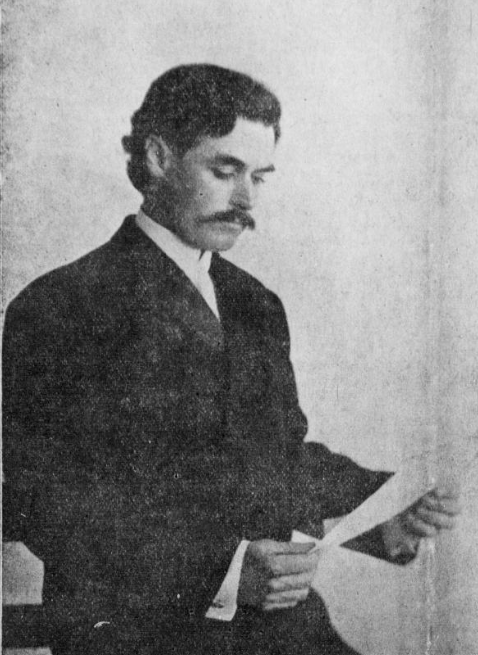
Maynard Shipley was an American writer and lecturer who explained science to general readers, including short books on radium, atoms and hypnotism.More about Maynard Shipley →
Read by a real person
Eleesha Lewis17 audiobooks with Academy Voices
Hear it read by Eleesha Lewis: the audiobook is right here
Story guide on this page: summary, characters, discussion questions
Yours to keep: a DRM-free EPUB for any device. Read it here, or on Kindle (with Send to Kindle), Apple Books, Kobo or Google Play Books.
Want both? Buy the audiobook and add the ebook for $0.99.
✓ DRM-free, yours to keep. Download the files after you buy and play them anywhere.
Yours to keepBuy once, it stays in your library
Listen anywhereIn our app on your phone or computer
Bought by mistake, or something wrong with the file? Email apica@academyvoices.com within 14 days for a full refund.
Bought by mistake or something wrong with the audio? Email apica@academyvoices.com within 14 days for a full refund.
About this audiobookAbout this book
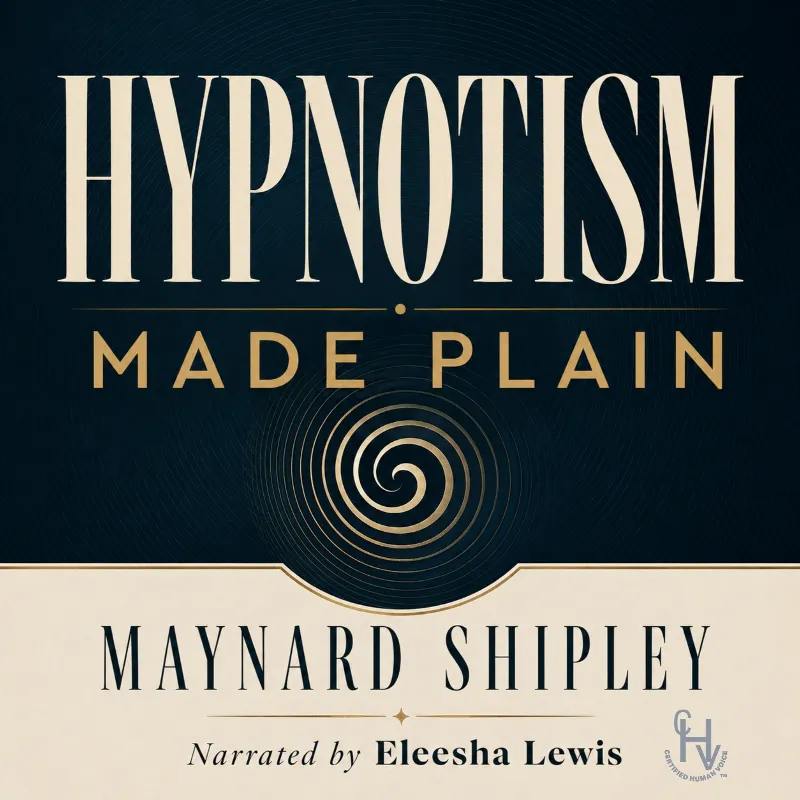
What is hypnotism, and what is it not? Maynard Shipley begins with the stage hypnotist and the sinister Svengali of fiction, and argues that hypnotism and suggestion are real subjects in medicine and psychology that deserve plain explanation. His six short chapters give a history, describe the hypnotic methods of the day, explain what hypnotic states look like, and discuss psychoanalysis, the influence of suggestion on crowds, and personality.
This 1924 guide was one of the Haldeman-Julius Little Blue Books. Eleesha Lewis reads it. It reflects the science of its time.
For curious listeners and anyone interested in the history of psychology.
Story guide
Hypnotism Made Plain summary
Spoiler alert: this summary tells the whole story.
Maynard Shipley wrote this little book to rescue hypnotism from its stage-show reputation. He opens by noting that most people picture a vaudeville "Professor" or the sinister Svengali, and argues instead that hypnotism and suggestion are real parts of psychology and medicine that touch everyday life.
The first chapter tells the history. Paracelsus believed in a healing "personal magnetism," and in the 1700s Franz Anton Mesmer drew crowds in Paris with his magnetized tub, the baquet, until he was branded a quack. Shipley follows the story through the Marquis de Puységur and the Abbé Faria, the English doctor John Elliotson, and James Braid of Manchester, who showed that no magnetic fluid was involved and coined the word hypnotism. He ends with Liébault and the Nancy school, F. W. H. Myers's idea of a subconscious mind, and Émile Coué's method of self-suggestion.
The middle chapters describe modern methods of inducing a trance, such as having a relaxed patient gaze at a bright object or a raised finger, and the uses doctors found for suggestion, from breaking bad habits to easing pain, insomnia and stammering. Shipley insists that no one can be hypnotized against their will or made to do something against their moral nature. He describes the striking effects shown by stage hypnotists, which he wants banned, and defends hypnotism against psychoanalysts such as André Tridon, arguing that even analysis relies on the patient's faith.
In later chapters he turns to "mass suggestion," blaming it for mob violence, religious persecution, wartime propaganda and the anti-evolution campaign of William Jennings Bryan. The book ends with the case of Bernice Redick, a young Ohio woman whose second personality, a child called "Polly," was treated by the psychologist Henry H. Goddard, partly through hypnosis, and closes with lines from Robert Browning's poem Mesmerism.
Written for ordinary readers, the book is a lively snapshot of how hypnotism and the mind were understood in the 1920s. Some of its medical claims are outdated, which makes it interesting to compare with what science knows today.
Famous lines
Whether we know it or not, Suggestion is at work all around and within us, day and night, from earliest childhood to the very close of our lives.
The Introduction
Generally speaking, no one can be hypnotized against his will.
Chapter 2
Such are the fruits of mass suggestion!
Chapter 5
All I believed is true!
Robert Browning's poem Mesmerism, quoted at the end
Main characters
FA
Franz Anton MesmerThe 18th-century Viennese doctor whose theory of "animal magnetism" started the craze.
JB
James BraidA Manchester surgeon who showed that trance came from the mind, not a magnetic fluid, and named it hypnotism.
AL
Ambroise-Auguste LiébaultA doctor of Nancy, France, who treated the poor with hypnosis and taught that it was all suggestion.
ÉC
Émile CouéThe French pioneer of self-suggestion.
BR
Bernice RedickA young Ohio woman whose case of split personality closes the book.
Did you know?
Little Blue Books were tiny, cheap paperbacks sold by the millions in the 1920s, often for five cents each, by publisher E. Haldeman-Julius of Girard, Kansas.
Maynard Shipley was a science writer who in 1925 founded the Science League of America to defend the teaching of evolution.
The word "mesmerize" comes from Franz Anton Mesmer, whose story opens the book.
Questions to talk about
Why did Shipley think it was important to separate hypnotism from stage shows and "charlatans"?
Shipley says no one can be made to act against their moral nature under hypnosis. Why might that claim matter so much to his argument?
How does Shipley connect hypnotism to crowds, newspapers and war? Do you find the connection convincing?
Which claims in the book would a doctor today question? How could you find out?
What does the history of Mesmer and Braid show about how science moves from mystery to explanation?
Chapters
Hypnotism Made Plain chapters
ChapterStarts at
Introduction0:23
Chapter 13:42
Chapter 228:06
Chapter 349:01
Chapter 41:11:39
Chapter 51:23:52
Chapter 61:36:20
New listeners
Get 25% off your first audiobook
Join our list and we'll email you 25% off, plus new releases from our store. Every one is read by a real person. No account needed.
Details
Length
1 hr 51 min
Narration
Solo narrator
Format
Unabridged audiobook
Publisher
Academy Voices
Language
English
ISBN
9798240184376
Questions
What is Hypnotism Made Plain about?
A short 1920s guide that traces hypnotism from Mesmer's "animal magnetism" to modern medicine and explains how suggestion works on individuals, patients and whole crowds.
Who are the main characters in Hypnotism Made Plain?
Franz Anton Mesmer, the 18th-century Viennese doctor whose theory of "animal magnetism" started the craze; James Braid, a Manchester surgeon who showed that trance came from the mind, not a magnetic fluid, and named it hypnotism; Ambroise-Auguste Liébault, a doctor of Nancy, France, who treated the poor with hypnosis and taught that it was all suggestion; Émile Coué, the French pioneer of self-suggestion; Bernice Redick, a young Ohio woman whose case of split personality closes the book.
Who narrates the Hypnotism Made Plain audiobook?
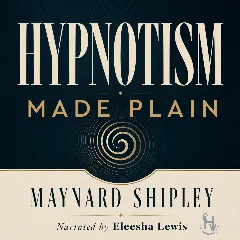
This edition of Hypnotism Made Plain by Maynard Shipley is narrated by Eleesha Lewis.
How long is the Hypnotism Made Plain audiobook?
It runs 1 hr 51 min, unabridged, so you hear the complete text.
Is this audiobook narrated by a real person?
Yes. Every Academy Voices audiobook is Certified Human Voice: performed start to finish by a real narrator.
Where can I listen to Hypnotism Made Plain?
Right here: buy it on Academy Voices and listen in your browser or our app. Hear a free sample on this page first.