Written by
Ralph Waldo Emerson7 audiobooks with Academy Voices
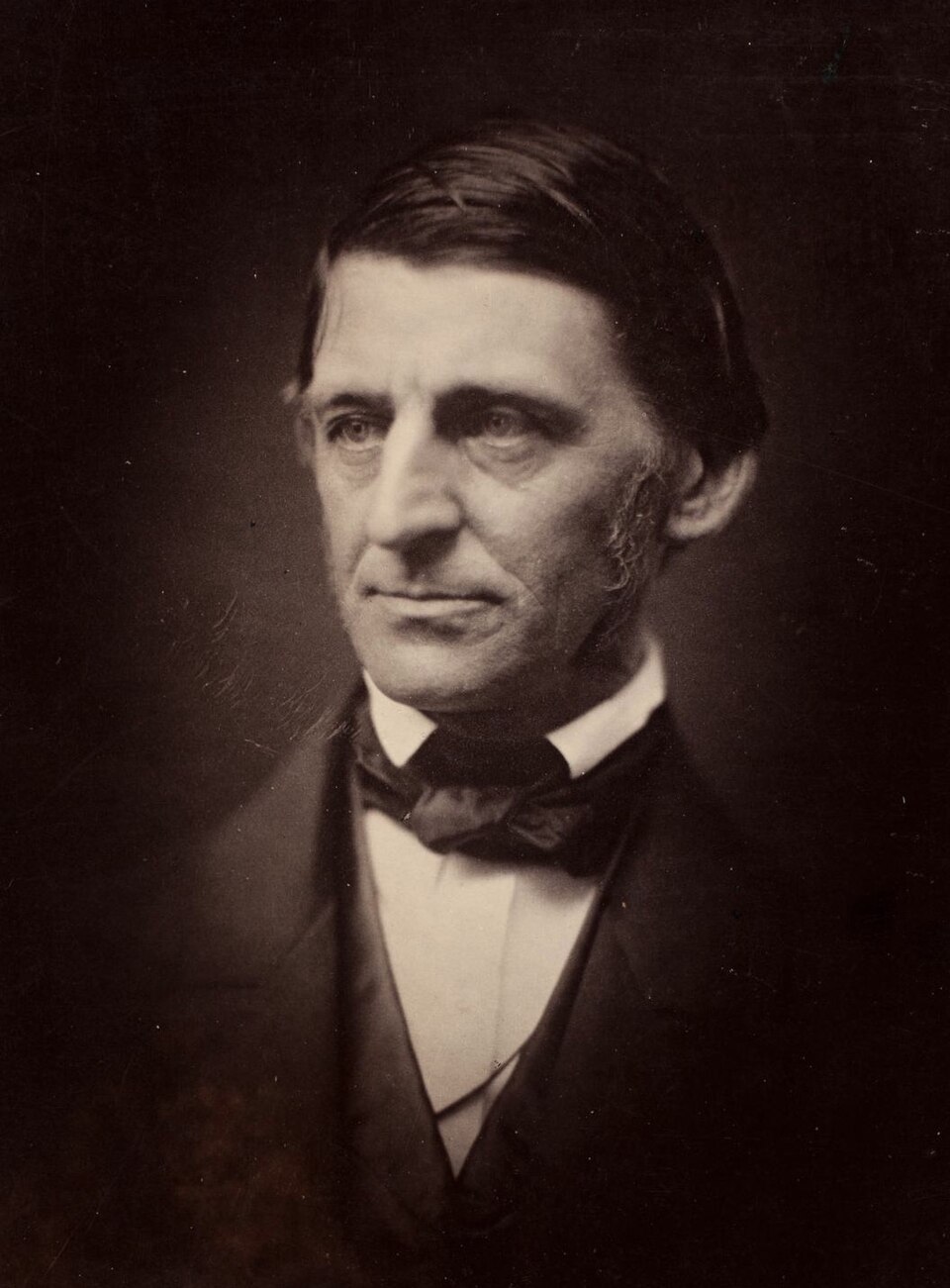
Ralph Waldo Emerson was born in Boston, studied at Harvard and became a Unitarian minister before leaving the pulpit in 1832.More about Ralph Waldo Emerson →
Read by a real person
Gary Middleton18 audiobooks with Academy Voices
Hear it read by Gary Middleton: the audiobook is right here
Story guide on this page: summary, characters, discussion questions
Yours to keep: a DRM-free EPUB for any device. Read it here, or on Kindle (with Send to Kindle), Apple Books, Kobo or Google Play Books.
Want both? Buy the audiobook and add the ebook for $0.99.
Free audiobook
Listen to the whole story free
Enter your email and we'll send you a link to the full audiobook of Prudence. No account needed.
We'll also ask if you'd like new audiobooks by email. Privacy Policy
✓ DRM-free, yours to keep. Download the files after you buy and play them anywhere.
Yours to keepBuy once, it stays in your library
Listen anywhereIn our app on your phone or computer
Bought by mistake, or something wrong with the file? Email apica@academyvoices.com within 14 days for a full refund.
Bought by mistake or something wrong with the audio? Email apica@academyvoices.com within 14 days for a full refund.
About this audiobookAbout this book
Prudence is Emerson at his most practical and piercing—an instruction manual for living well in the material world without losing sight of the soul. Calling prudence “the virtue of the senses,” he shows how inner vision becomes outer action through respect for cause and effect, health, time, economy, and truthful speech. With vivid images and plainspoken counsel, Emerson contrasts a narrow, calculating caution with a higher prudence that serves spiritual ends. He urges accuracy over wishful thinking, punctuality over drift, courage rather than evasion, generosity and candor as the best tactics, and the steady “minor virtues” that compound into freedom. Gary Middleton’s thoughtful narration highlights Emerson’s rhythm and wit, guiding listeners through a bracing blend of philosophy and usable wisdom. Ideal for anyone seeking a clear path between lofty ideals and daily obligations, this short audiobook teaches how to make each task—money, household, work, and friendship—a training ground for character and a conduit for power.
Story guide
Prudence summary
Spoiler alert: this summary tells the whole story.
Emerson opens with a confession. He has little prudence himself, he says, and his garden proves it, but people often write best about the virtues they lack. He defines prudence as "the virtue of the senses": the practical wisdom that deals with the body, money, time, weather and everyday affairs. It is real and necessary, but it is only the surface of life. Prudence goes wrong when it is cut off from the soul and treated as the whole point.
He separates a low, false prudence from a true one. The false kind worships comfort and money, never gives, seldom lends, and asks of every plan only, "Will it bake bread?" Emerson calls it the god of sots and cowards and the subject of all comedy. True prudence respects the laws of nature, time and cause and effect, but uses them in the service of a higher life. Hard northern winters, he notes, teach people more than easy tropical plenty, because every chore is a lesson from nature.
Nature punishes carelessness. Emerson praises punctuality, accurate perception, paying one's way and not making others wait. He warns that gifted people, such as poets and scholars, are not excused from common sense. Genius that ignores health, money and good habits pays for it, and "the scorned world wreaks its revenge." Self-reliance in daily economy, he says, gives freedom, which is "the best good of wealth."
The essay ends by joining prudence to the other virtues. Real prudence takes courage, because fear exaggerates every danger: "You are afraid of Grim; but Grim also is afraid of you." It means meeting opponents on common ground, valuing the friends we already have, and being truthful and kind. In the end, Emerson concludes, truth, courage, love and humility are all on prudence's side.
Published in his first book of essays, "Prudence" shows Emerson at his most practical, and it is still a sharp, quotable guide to balancing everyday good sense with a higher purpose.
Famous lines
Prudence is the virtue of the senses.
Ralph Waldo Emerson
Do what we can, summer will have its flies.
Ralph Waldo Emerson
You are afraid of Grim; but Grim also is afraid of you.
Ralph Waldo Emerson
Life wastes itself whilst we are preparing to live.
Ralph Waldo Emerson
Did you know?
"Prudence" appeared in the same collection as Emerson's most famous essay, "Self-Reliance."
Emerson was a leading figure of the Transcendentalist movement and a friend and mentor to Henry David Thoreau.
Emerson trained as a minister and served a Boston church before leaving the ministry in 1832 to become a lecturer and writer.
Questions to talk about
Emerson admits he has little prudence. Why might someone who lacks a virtue still write well about it?
What is the difference between the "base prudence" that asks "Will it bake bread?" and the true prudence Emerson admires?
Why does Emerson say that gifted people like poets and scholars still need common sense? Do you agree?
What does Emerson mean by "You are afraid of Grim; but Grim also is afraid of you"? Can you think of an example from your own life?
How could you apply Emerson's advice about valuing the friends near you instead of waiting for better ones?
New listeners
Get 25% off your first audiobook
Join our list and we'll email you 25% off, plus new releases from our store. Every one is read by a real person. No account needed.
Details
Length
35 min
Narration
Solo narrator
Format
Unabridged audiobook
Publisher
Anthony Pica Productions, LLC
Language
English
Questions
What is Prudence about?
In this essay Ralph Waldo Emerson argues that true prudence is not penny-pinching caution but living wisely and honestly within the laws of nature, as one part of a whole, good life.
Who narrates the Prudence audiobook?
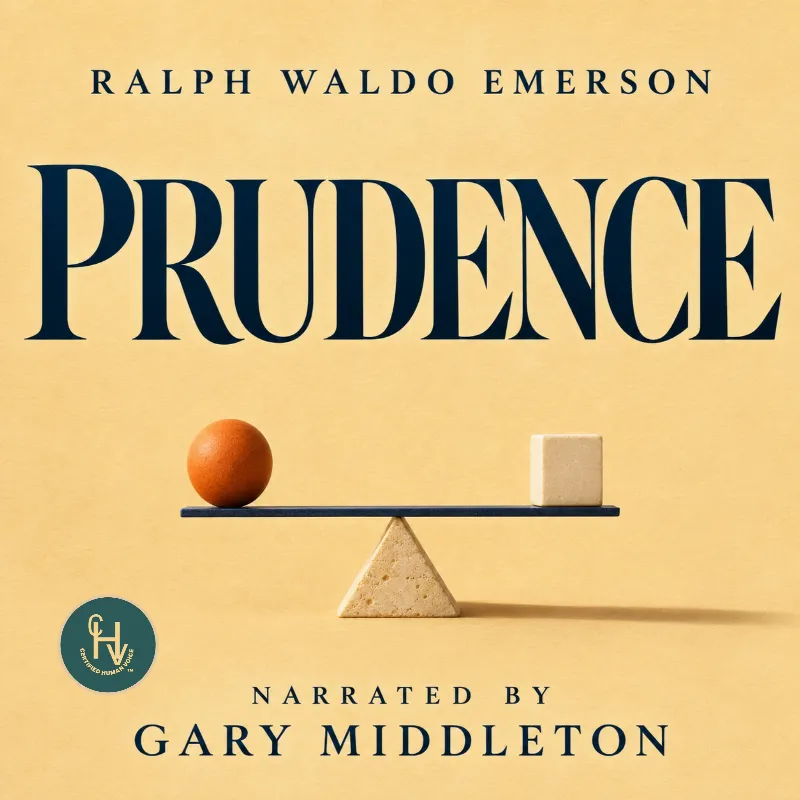
This edition of Prudence by Ralph Waldo Emerson is narrated by Gary Middleton.
How long is the Prudence audiobook?
It runs 35 min, unabridged, so you hear the complete text.
Is this audiobook narrated by a real person?
Yes. Every Academy Voices audiobook is Certified Human Voice: performed start to finish by a real narrator.
Where can I listen to Prudence?
Right here: buy it on Academy Voices and listen in your browser or our app. Hear a free sample on this page first.