Written by
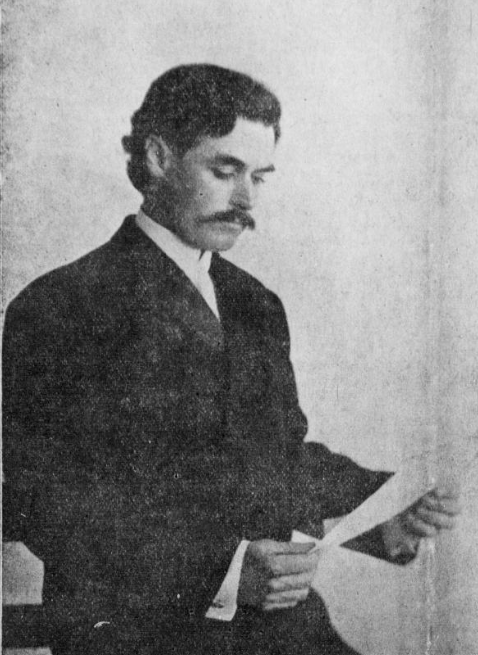
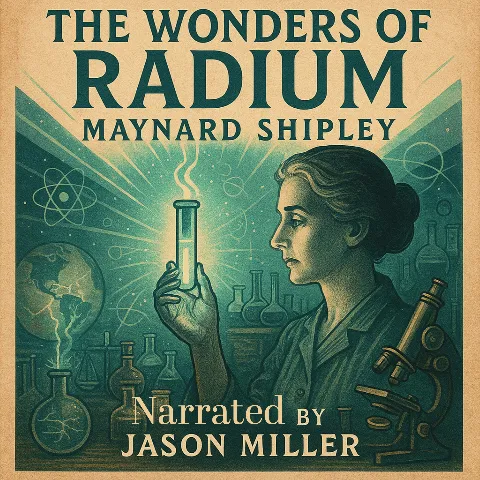
Maynard Shipley4 audiobooks with Academy Voices
Maynard Shipley was an American writer and lecturer who explained science to general readers, including short books on radium, atoms and hypnotism.More about Maynard Shipley →
Read by a real person
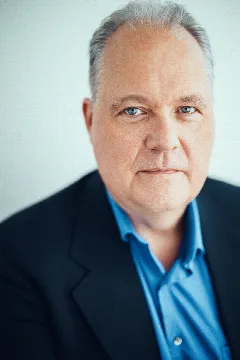
Eric Leeb10 audiobooks with Academy Voices
Hear it read by Eric Leeb: the audiobook is right here
Story guide on this page: summary, characters, discussion questions
Yours to keep: a DRM-free EPUB for any device. Read it here, or on Kindle (with Send to Kindle), Apple Books, Kobo or Google Play Books.
Want both? Buy the audiobook and add the ebook for $0.99.
Free audiobook
Listen to the whole story free
Enter your email and we'll send you a link to the full audiobook of The Intelligence of Invertebrate Animals. No account needed.
We'll also ask if you'd like new audiobooks by email. Privacy Policy
✓ DRM-free, yours to keep. Download the files after you buy and play them anywhere.
Yours to keepBuy once, it stays in your library
Listen anywhereIn our app on your phone or computer
Bought by mistake, or something wrong with the file? Email apica@academyvoices.com within 14 days for a full refund.
Bought by mistake or something wrong with the audio? Email apica@academyvoices.com within 14 days for a full refund.
About this audiobookAbout this book
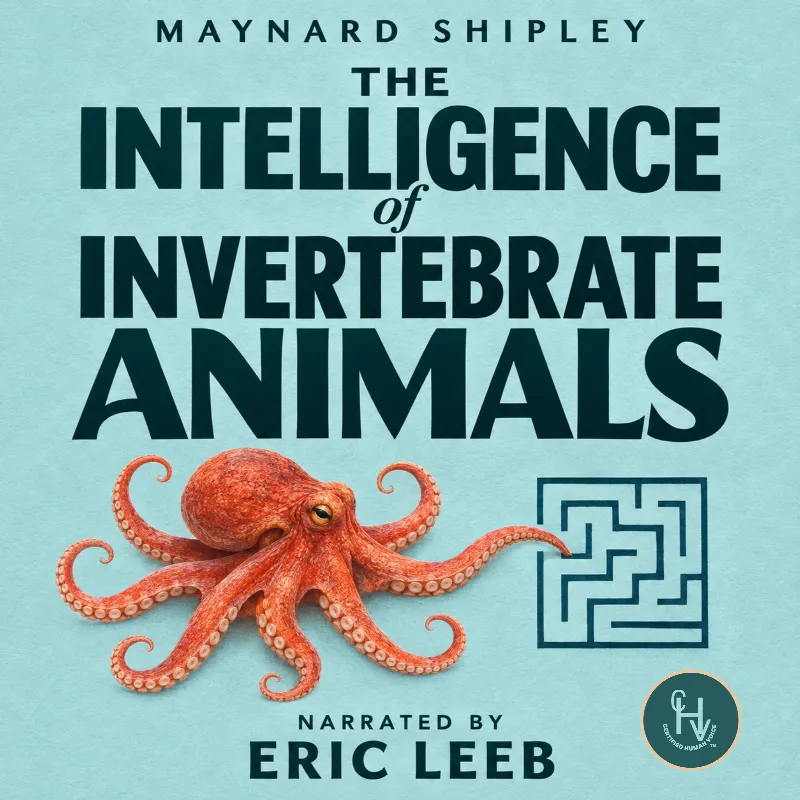
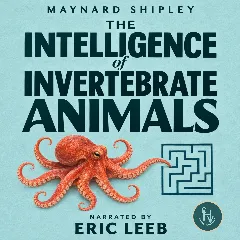
From earthworms threading mazes to octopi outwitting crabs, Maynard Shipley leads a vivid tour of the minds of animals without backbones. Through clear experiments and field stories, he weighs instinct against learning to show how invertebrates remember, adapt, and solve problems. Meet worms choosing routes and fitting materials to their burrows; hermit crabs selecting protective sea-anemones and homing with precision; horseshoe crabs cooperating to right a stranded mate; and spiders engineering elegant webs guided by touch. Explore tool-using wasps, beetles that recruit helpers, bees with ultraviolet vision and communicative dances, ants that farm, share food, wage war, and organize complex societies, and termites building colossal communal cities. Shipley’s engaging, listener-friendly science argues for a continuum of mind across species—flexible behavior, memory, and even emotion—far beyond reflex. Eric Leeb’s warm, accessible narration makes the discoveries feel fresh and immediate, perfect for fans of ethology, natural history, and anyone curious about where intelligence begins.
Story guide
The Intelligence of Invertebrate Animals summary
Spoiler alert: this summary tells the whole story.
Shipley starts with a definition. Scientists of his time agreed that intelligence means learning by experience: forming memory associations and changing behavior because of them, as a chick learns not to peck a bad-tasting caterpillar. Everyone accepted this in animals with backbones. The open question was whether invertebrates, such as worms, insects, spiders and mollusks, could learn, or whether they ran only on instinct and reflex. Shipley sets out to show the evidence for learning.
He moves up the animal scale. Darwin found that earthworms pull leaves and even paper triangles into their burrows by the most useful end, and later experiments showed worms learning to avoid a mild shock in a T-shaped maze, even after being cut in two. Starfish strip the spines off sea urchins. Oysters can be "trained" to stay closed longer out of water. A young octopus stung by a hermit crab's anemones learns to leave such crabs alone, and hermit crabs carefully plant anemones on their shells for protection and can tell shades of red apart.
Spiders and insects get the most attention. Shipley describes how orb-weavers build their webs and read the vibrations of each thread, how burying beetles call for help to bury a dead bird, and how a solitary wasp was seen hammering down the soil over its nest with a pebble, a real case of tool use. He explains Karl von Frisch's new experiments showing that bees learn their way home by experience and communicate about food with a dance. He praises ants for farming aphids as "cows," building living bridges, sharing food and helping injured nest mates, and he describes termites building mounds hundreds of times their own length.
In his conclusion, Shipley argues that there is no sharp break between animal and human minds. Invertebrates may not reason as people do, but they perceive, learn, remember and adapt. "Mind is mind wherever it becomes manifest," he writes, and the amoeba and man share the same living stuff.
This short work is a window into how scientists of the 1920s debated animal minds. Many of its examples, like wasp tool use and the bee dance, are still discussed today, while some of its language and ideas have since been revised.
Famous lines
No one doubts today that all Vertebrates, from the Fish to Man, possess more or less intelligence—namely, the power of forming memory associations and of learning by experience.
The opening line
Protoplasm is protoplasm, wherever found, and mind is mind wherever it becomes manifest.
Maynard Shipley
To credit animals with reason, which means experimenting with general ideas, is, in all probability, too generous. To try to reduce them to the level of automatic machines is certainly too stingy.
J. Arthur Thomson, quoted by Shipley
Main characters
MS
Maynard ShipleyThe author, an American science writer and lecturer.
CD
Charles DarwinWhose study of earthworms is Shipley's first example.
JF
Jean-Henri FabreThe French naturalist whose insect studies Shipley often cites.
KV
Karl von FrischThe German scientist whose bee experiments Shipley describes.
GE
George and Elizabeth PeckhamThe observers who saw a wasp use a pebble as a hammer.
Did you know?
Maynard Shipley founded the Science League of America in 1924 to defend the teaching of evolution in American schools.
Karl von Frisch, whose early bee experiments Shipley describes, later shared the 1973 Nobel Prize for his discoveries about animal behavior, including the bee dance.
Darwin's last book, published in 1881, was about earthworms and how they form soil.
Questions to talk about
How does Shipley define intelligence? Do you think it is a good definition?
Which example in the book convinced you most that an invertebrate can learn? Which least?
Why does Shipley argue that failing to train an animal does not prove it lacks intelligence?
What does the wasp with the pebble suggest about the line between instinct and intelligence?
Shipley says there is no sharp break between animal and human minds. Do you agree?
Chapters
The Intelligence of Invertebrate Animals chapters
ChapterStarts at
Introduction0:09
Chapter 113:44
Chapter 219:17
Chapter 320:35
Chapter 421:55
Chapter 523:13
Chapter 624:39
Chapter 726:05
Chapter 828:43
Chapter 930:31
Show all 17 chapters
Chapter 1030:51
Chapter 1147:51
Chapter 1249:08
Chapter 131:00:29
Chapter 141:08:26
Chapter 151:17:51
Conclusion1:19:00
New listeners
Get 25% off your first audiobook
Join our list and we'll email you 25% off, plus new releases from our store. Every one is read by a real person. No account needed.
Details
Length
1 hr 23 min
Narration
Solo narrator
Format
Unabridged audiobook
Publisher
Anthony Pica Productions, LLC
Language
English
Questions
What is The Intelligence of Invertebrate Animals about?
Science writer Maynard Shipley gathers the experiments and observations of his day to argue that animals without backbones, from earthworms and octopuses to bees and ants, can learn from experience and show real intelligence.
Who are the main characters in The Intelligence of Invertebrate Animals?
Maynard Shipley, the author, an American science writer and lecturer; Charles Darwin, whose study of earthworms is Shipley's first example; Jean-Henri Fabre, the French naturalist whose insect studies Shipley often cites; Karl von Frisch, the German scientist whose bee experiments Shipley describes; George and Elizabeth Peckham, the observers who saw a wasp use a pebble as a hammer.
Who narrates The Intelligence of Invertebrate Animals audiobook?
This edition of The Intelligence of Invertebrate Animals by Maynard Shipley is narrated by Eric Leeb.
How long is The Intelligence of Invertebrate Animals audiobook?
It runs 1 hr 23 min, unabridged, so you hear the complete text.
Is this audiobook narrated by a real person?
Yes. Every Academy Voices audiobook is Certified Human Voice: performed start to finish by a real narrator.
Where can I listen to The Intelligence of Invertebrate Animals?
Right here: buy it on Academy Voices and listen in your browser or our app. Hear a free sample on this page first.