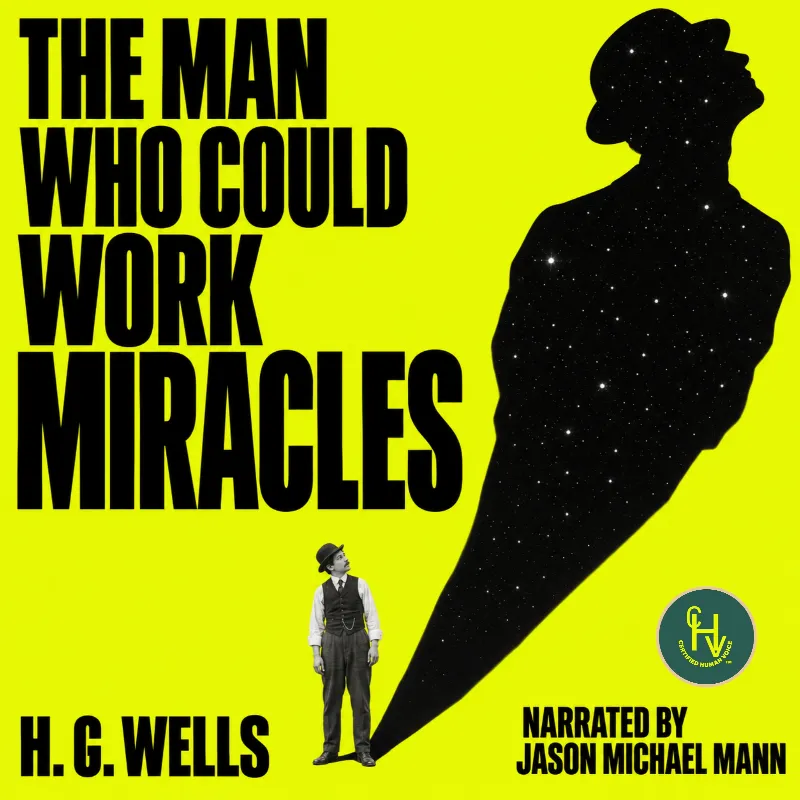
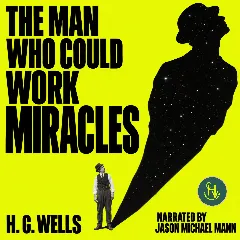
Hear it read by Jason Michael Mann: the audiobook is right here
Story guide on this page: summary, characters, discussion questions
Yours to keep: a DRM-free EPUB for any device. Read it here, or on Kindle (with Send to Kindle), Apple Books, Kobo or Google Play Books.
Want both? Buy the audiobook and add the ebook for $0.99.
Free audiobook
Listen to the whole story free
Enter your email and we'll send you a link to the full audiobook of The Man Who Could Work Miracles. No account needed.
We'll also ask if you'd like new audiobooks by email. Privacy Policy
✓ DRM-free, yours to keep. Download the files after you buy and play them anywhere.
Yours to keepBuy once, it stays in your library
Listen anywhereIn our app on your phone or computer
Bought by mistake, or something wrong with the file? Email apica@academyvoices.com within 14 days for a full refund.
Bought by mistake or something wrong with the audio? Email apica@academyvoices.com within 14 days for a full refund.
About this audiobookAbout this book
A barroom debate turns the impossible on its head when clerk George McWhirter Fotheringay discovers he can command reality with a word. What begins as upside-down lamps and self-lighting candles soon escalates into a well-meaning crusade with the zealous Mr. Maydig to improve the world—until one audacious command unleashes cosmic chaos. H. G. Wells blends sparkling wit, imaginative spectacle, and razor-sharp insight into power, pride, and unintended consequences in this timeless comic fable. Narrator Jason Michael Mann delivers a lively, nuanced performance—capturing the bluster of the Long Dragon, the breathless thrill of thaumaturgy, and the chilling brink of disaster—for a listening experience that is as funny as it is thought-provoking. Ideal for fans of classic speculative fiction, wry British humor, and cautionary tales that linger long after the final word.
Story guide
The Man Who Could Work Miracles summary
Spoiler alert: this summary tells the whole story.
George McWhirter Fotheringay is a small, freckled, red-haired clerk at Gomshott's who loves to argue. One evening in the bar of the Long Dragon he is insisting that miracles are impossible. To make his point he tells the lamp to turn upside down and keep burning, and it does. It hangs in the air for a few seconds, then crashes to the floor. Everyone thinks he played a silly trick, and he is sent home in disgrace. Alone in his room he experiments. He raises a candle, makes a match appear, turns water pink and green and puts himself to bed in a nice soft nightshirt.
He tries to use his gift quietly, but it keeps going wrong. In a dark lane he makes his walking stick blossom with roses, then, flustered, tells it to "go back," and it flies off and hits Constable Winch. When Winch accuses him, Fotheringay loses his temper and shouts, "Go to Hades!" The constable vanishes. Horrified, Fotheringay moves him to San Francisco instead, and keeps sending him back there whenever Winch tries to come home.
Worried, he consults Mr. Maydig, the Congregational minister. Maydig is thrilled. That Sunday night, November 10, 1896, the two of them begin working wonders: a fine supper, a reformed housekeeper, and then, under the moon, the reform of every drunkard in the district, better railways and a drained swamp. When Fotheringay says he must get home to bed, Maydig points to the moon and suggests he stop it, like Joshua in the Bible. Fotheringay orders the earth to stop rotating.
Because he says nothing about the things on its surface, everything on earth is flung forward at enormous speed and smashed. Only Fotheringay survives, having wished himself down safe. In a howling storm, with a wall of water rushing toward him, he gets it right at last. He wishes to lose his power and to put everything back as it was just before the lamp. He finds himself in the Long Dragon again, arguing with Toddy Beamish that miracles can't happen, with no memory of any of it. Wells's comic fable is a sharp warning about unlimited power in ordinary, thoughtless hands.
Famous lines
It is doubtful whether the gift was innate.
The opening line
"Let us clearly understand what a miracle is. It's something contrariwise to the course of nature, done by power of will, something what couldn't happen without being specially willed."
Mr. Fotheringay
"Jest stop rotating, will you?" said Mr. Fotheringay.
Mr. Fotheringay
"Let nothing what I'm going to order happen until I say 'Off!'...Lord! I wish I'd thought of that before!"
Mr. Fotheringay
Main characters
GM
George McWhirter FotheringayA little, argumentative clerk who discovers he can work miracles but rarely thinks ahead.
M
Mr. MaydigAn excitable Congregational minister who eagerly urges Fotheringay toward bigger and bigger miracles.
TB
Toddy BeamishA regular at the Long Dragon whose stubborn "So you say" starts the whole affair.
CW
Constable WinchA local policeman who is sent to Hades, then to San Francisco, by an angry miracle.
C
Mr. CoxThe landlord of the Long Dragon, who thinks Fotheringay is a fool after the lamp breaks.
M
Mrs. MinchinMr. Maydig's housekeeper, miraculously reformed in her sleep.
Did you know?
The story was made into a British film, The Man Who Could Work Miracles, released in 1936 with Roland Young in the lead.
Wells's science in the story is real: the earth's surface at the equator moves at more than a thousand miles an hour, which is why stopping it would fling everything off.
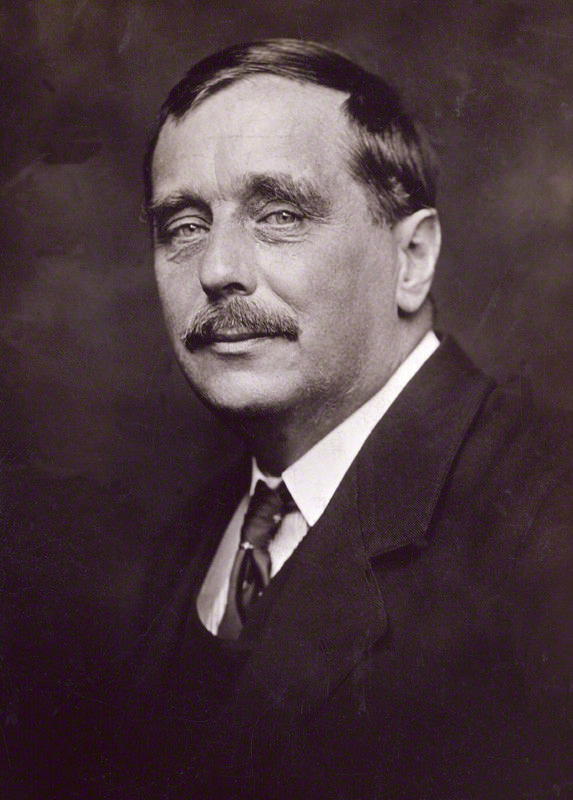
H. G. Wells also wrote The Time Machine and The War of the Worlds.
Questions to talk about
Why do you think Wells chose such an ordinary, unremarkable man to receive this gift?
Is Mr. Maydig a good influence or a dangerous one? Why?
Many of Fotheringay's miracles go wrong because of how he words them. What does that suggest about power?
Was Fotheringay right to give up his gift completely? What would you have done?
The story ends exactly where it began. Why is that ending both funny and a little unsettling?
New listeners
Get 25% off your first audiobook
Join our list and we'll email you 25% off, plus new releases from our store. Every one is read by a real person. No account needed.
Details
Length
38 min
Narration
Solo narrator
Format
Unabridged audiobook
Publisher
Anthony Pica Productions, LLC
Language
English
Questions
What is The Man Who Could Work Miracles about?
An ordinary English clerk who scoffs at miracles suddenly discovers he can make anything happen just by willing it, with results that nearly end the world.
Who are the main characters in The Man Who Could Work Miracles?
George McWhirter Fotheringay, a little, argumentative clerk who discovers he can work miracles but rarely thinks ahead; Mr. Maydig, an excitable Congregational minister who eagerly urges Fotheringay toward bigger and bigger miracles; Toddy Beamish, a regular at the Long Dragon whose stubborn "So you say" starts the whole affair; Constable Winch, a local policeman who is sent to Hades, then to San Francisco, by an angry miracle; Mr. Cox, the landlord of the Long Dragon, who thinks Fotheringay is a fool after the lamp breaks; Mrs. Minchin, mr. Maydig's housekeeper, miraculously reformed in her sleep.
Who narrates The Man Who Could Work Miracles audiobook?
This edition of The Man Who Could Work Miracles by H. G. Wells is narrated by Jason Michael Mann.
How long is The Man Who Could Work Miracles audiobook?
It runs 38 min, unabridged, so you hear the complete text.
Is this audiobook narrated by a real person?
Yes. Every Academy Voices audiobook is Certified Human Voice: performed start to finish by a real narrator.
Where can I listen to The Man Who Could Work Miracles?
Right here: buy it on Academy Voices and listen in your browser or our app. Hear a free sample on this page first.