Power is won in the real world, not the ideal one. In The Prince, Niccolò Machiavelli strips politics to its essentials—ambition, risk, fortune, and the hard choices leaders must make to survive and succeed.
Hear it read by Daniel Pagone: the audiobook is right here
Story guide on this page: summary, characters, discussion questions
Yours to keep: a DRM-free EPUB for any device. Read it here, or on Kindle (with Send to Kindle), Apple Books, Kobo or Google Play Books.
Want both? Buy the audiobook and add the ebook for $0.99.
✓ DRM-free, yours to keep. Download the files after you buy and play them anywhere.
Yours to keepBuy once, it stays in your library
Listen anywhereIn our app on your phone or computer
Bought by mistake, or something wrong with the file? Email apica@academyvoices.com within 14 days for a full refund.
Bought by mistake or something wrong with the audio? Email apica@academyvoices.com within 14 days for a full refund.
About this audiobookAbout this book
Power is won in the real world, not the ideal one. In The Prince, Niccolò Machiavelli strips politics to its essentials—ambition, risk, fortune, and the hard choices leaders must make to survive and succeed.
Narrated by Daniel Pagone with crisp, steady authority, this classic handbook becomes an engaging masterclass in strategy you can absorb on the go. Discover why image often matters more than intention, how to read shifting alliances, when mercy serves better than force—and when it doesn’t. Pagone’s clear, modern performance sharpens every insight, guiding you through decisive lessons on reputation, pragmatism, and the art of governing.
Whether you’re a student of history, a business leader, or simply fascinated by how power really works, this audiobook delivers timeless, actionable wisdom in a vivid, listener-friendly style.
Essential, provocative, and bracingly honest, The Prince remains the ultimate field guide to leadership under pressure.
Story guide
The Prince summary
Spoiler alert: this summary tells the whole story.
Machiavelli dedicates his little book to Lorenzo de' Medici, the new ruler of Florence, offering what he has learned from long experience in government and from reading history. He begins by sorting states into kinds: republics and principalities, and among principalities those that are inherited, newly won, or mixed. Inherited states are easy to keep. New ones are hard, and he explains how conquerors should settle in, plant colonies, weaken strong neighbors, and either win over a people or crush them.
He then looks at how men rise to power: by their own strength and skill, by luck or the help of others, by crime, or by the support of their fellow citizens. His favorite example is Cesare Borgia, who gained a territory through his father, the Pope, and then held it with daring, cunning and cruelty. A prince must have good laws and good arms, Machiavelli says, and he warns that mercenary soldiers and borrowed armies are useless and dangerous. A ruler should make war his chief study and build an army of his own people.
The most famous chapters turn to the ruler's character. Machiavelli says he will describe how people really live, not how they ought to live. A prince must learn how not to be good when necessary. It is better to be thought stingy than to be ruined by generosity. If he cannot be both loved and feared, it is safer to be feared, as long as he avoids being hated. He should be both a fox and a lion, and he may break his word when keeping it would harm him, while always seeming merciful, honest and religious. Above all he must avoid being hated or despised.
In the last chapters, Machiavelli advises a prince on choosing ministers, avoiding flatterers, and dealing with fortune, which he compares to a flooding river that wise men prepare for with dikes and banks. He ends with a passionate plea for a strong leader to unite Italy and free it from foreign armies.
The Prince shocked readers for centuries and gave us the word "Machiavellian." Its clear look at power, politics and human nature still shapes how people think about leadership today.
Famous lines
how one lives is so far distant from how one ought to live, that he who neglects what is done for what ought to be done, sooner effects his ruin than his preservation
Chapter XV
Upon this a question arises: whether it be better to be loved than feared or feared than loved? It may be answered that one should wish to be both, but, because it is difficult to unite them in one person, it is much safer to be feared than loved, when, of the two, either must be dispensed with.
Chapter XVII
Therefore, it is necessary to be a fox to discover the snares and a lion to terrify the wolves.
Chapter XVIII
Main characters
NM
Niccolò MachiavelliA Florentine diplomat and writer who shares the lessons of his career in government.
LD
Lorenzo de' MediciThe ruler of Florence to whom the book is dedicated.
CB
Cesare BorgiaThe ruthless son of Pope Alexander VI, held up as a model of a new prince.
PA
Pope Alexander VICesare's father, who used the Church's power to build his family's fortunes.
Did you know?
Machiavelli wrote The Prince in 1513, after the returning Medici family removed him from office and he was jailed and tortured. He wrote it at his small farm outside Florence.
It was not printed until 1532, five years after his death.
The famous phrase "the end justifies the means" does not actually appear in the book.
Questions to talk about
Is Machiavelli describing how leaders should act, or only how they do act? What is the difference?
Do you agree that it is safer for a leader to be feared than loved? Give a modern example.
What does it mean to be both a fox and a lion?
How much of success, according to Machiavelli, comes from fortune, and how much from skill?
Why do you think the word "Machiavellian" became an insult?
Chapters
The Prince chapters
ChapterStarts at
Author0:08
Chapter 12:10
Chapter 23:11
Chapter 35:02
Chapter 424:07
Chapter 530:20
Chapter 633:17
Chapter 741:18
Chapter 857:12
Chapter 91:06:50
Show all 27 chapters
Chapter 101:14:34
Chapter 111:18:55
Chapter 121:24:23
Chapter 131:34:59
Chapter 141:42:53
Chapter 151:48:30
Chapter 161:52:03
Chapter 171:57:27
Chapter 182:04:13
Chapter 192:10:28
Chapter 202:32:19
Chapter 212:41:56
Chapter 222:49:51
Chapter 232:52:44
Chapter 242:57:07
Chapter 253:00:16
Chapter 263:07:25
New listeners
Get 25% off your first audiobook
Join our list and we'll email you 25% off, plus new releases from our store. Every one is read by a real person. No account needed.
Details
Length
3 hr 16 min
Narration
Solo narrator
Format
Unabridged audiobook
Publisher
Academy Voices
Language
English
ISBN
9798875190254
Cover art
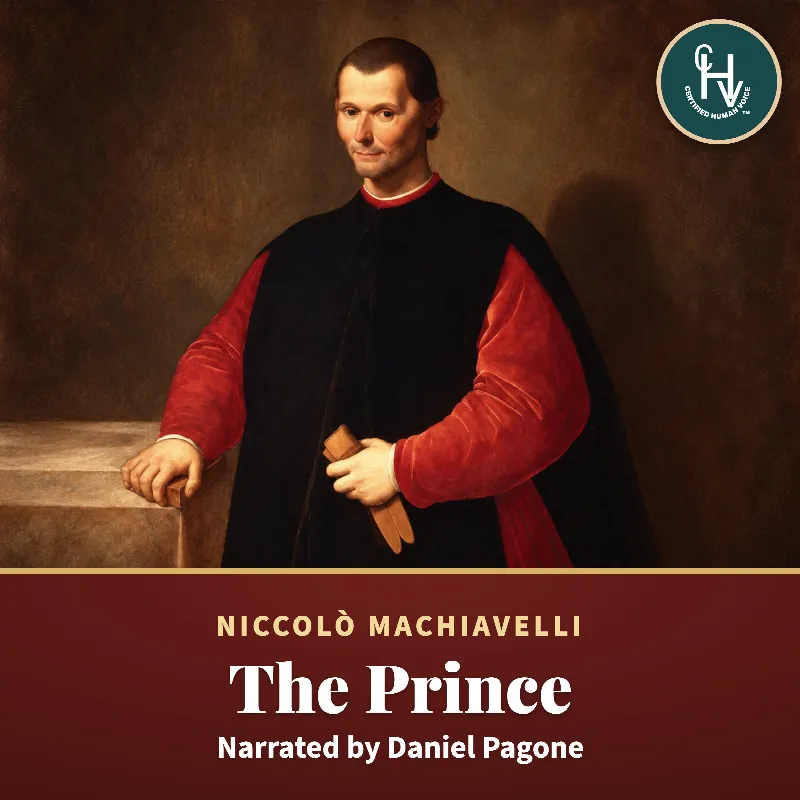
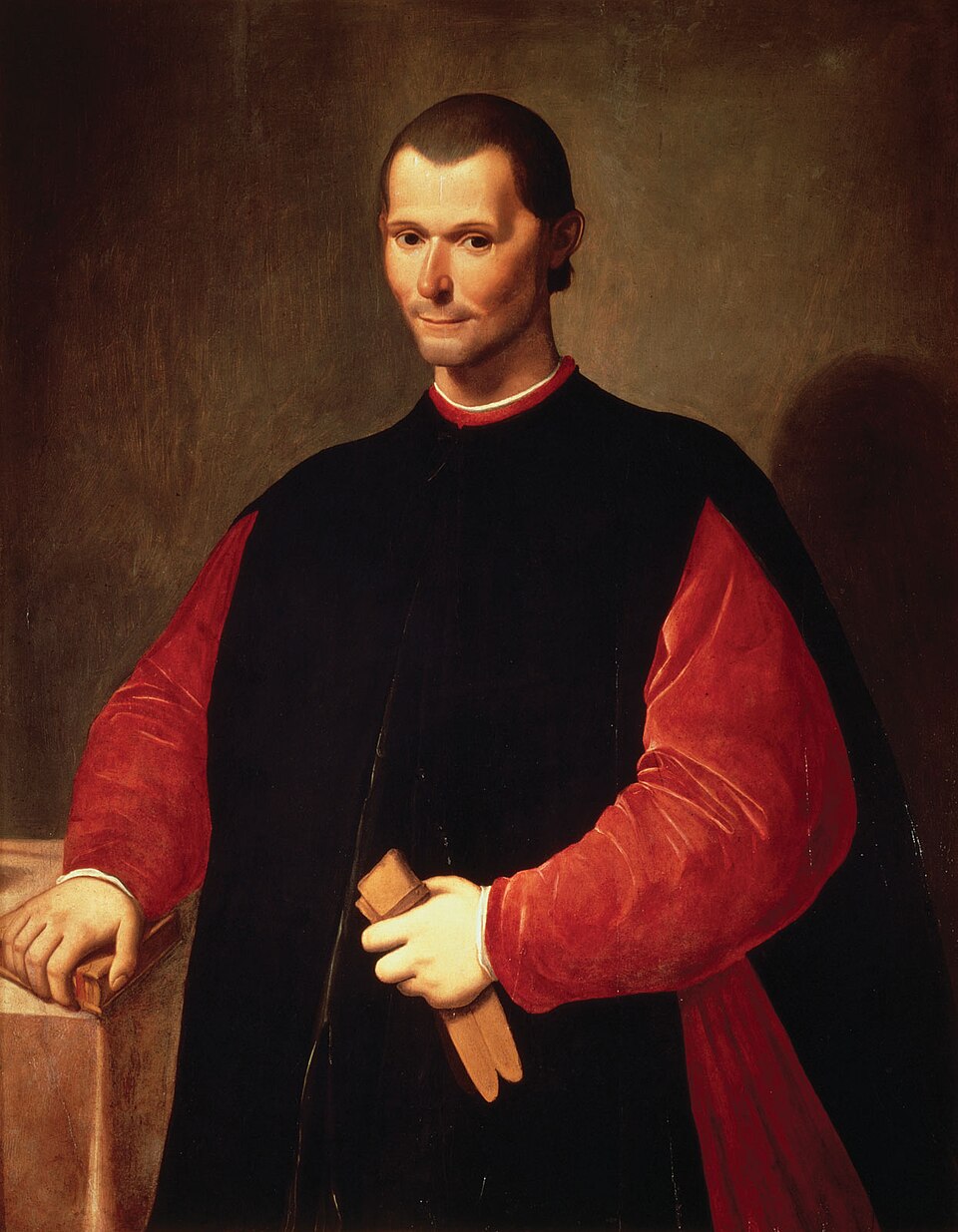
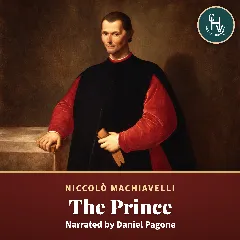
After Santi di Tito, Portrait of Niccolò Machiavelli (16th century)
Questions
What is The Prince about?
Machiavelli's famous handbook for rulers explains, with brutal honesty, how a prince can win power and keep it in a dangerous world.
Who are the main characters in The Prince?
Niccolò Machiavelli, a Florentine diplomat and writer who shares the lessons of his career in government; Lorenzo de' Medici, the ruler of Florence to whom the book is dedicated; Cesare Borgia, the ruthless son of Pope Alexander VI, held up as a model of a new prince; Pope Alexander VI, cesare's father, who used the Church's power to build his family's fortunes.
Who narrates The Prince audiobook?
This edition of The Prince by Niccolò Machiavelli is narrated by Daniel Pagone.
How long is The Prince audiobook?
It runs 3 hr 16 min, unabridged, so you hear the complete text.
Is this audiobook narrated by a real person?
Yes. Every Academy Voices audiobook is Certified Human Voice: performed start to finish by a real narrator.
Where can I listen to The Prince?
Right here: buy it on Academy Voices and listen in your browser or our app. Hear a free sample on this page first.