The Life, Crime, and Capture of John Wilkes Booth
By George Alfred Townsend
Narrated by Marcus Locke
 Audiobooks
Showing results for
Nothing matches yet. Try one word of the title, or the author's last name.
See all results for “” →
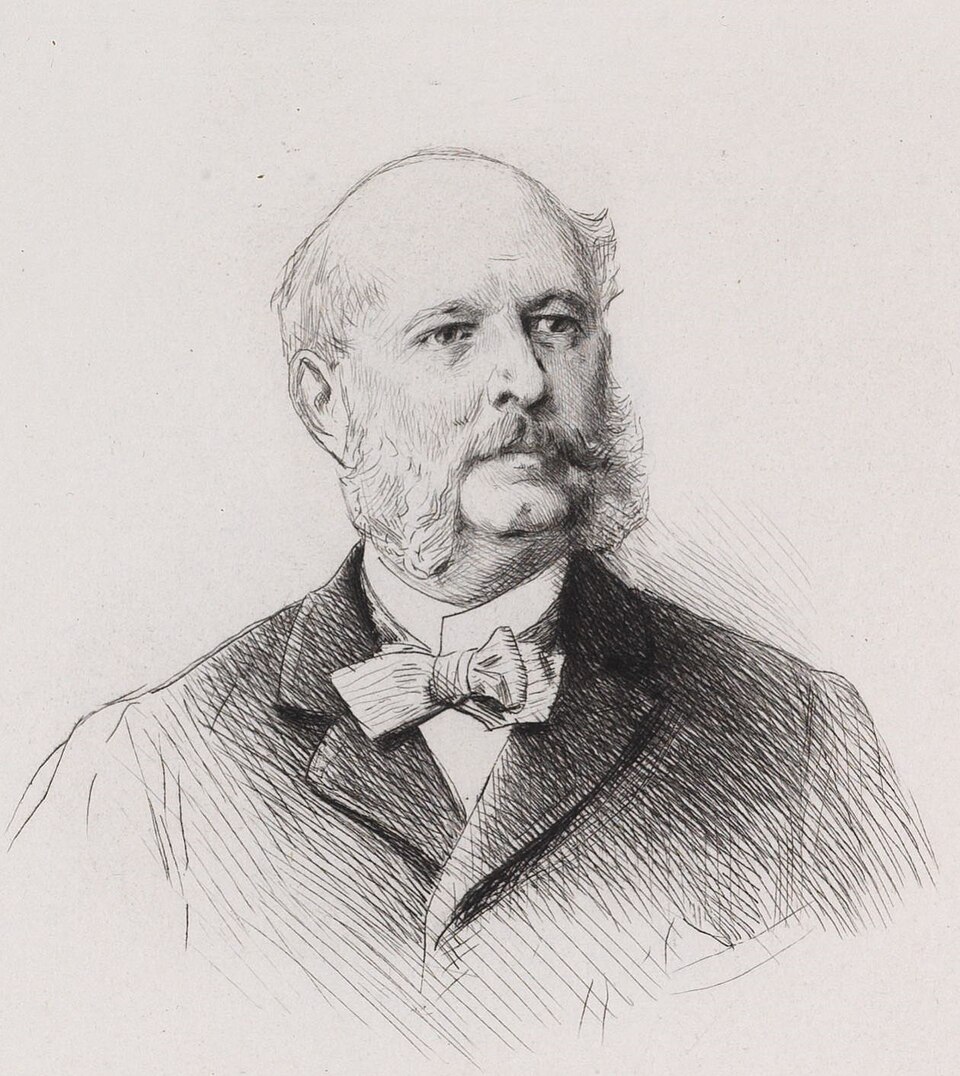
Robert Hoe III was an American businessman who made printing presses.More about Robert Hoe →

I have over 20 years of performance experience; ranging from classical music, to radio, and television.Hear more from Marcus → Tip Marcus for this narration →
by Robert Hoe · read by Marcus Locke · 1 hr 37 min
Read more ↓Yours to keep: a DRM-free EPUB for any device. Read it here, or on Kindle (with Send to Kindle), Apple Books, Kobo or Google Play Books. Want both? Buy the audiobook and add the ebook for $0.99.
✓ DRM-free, yours to keep. Download the files after you buy and play them anywhere.
Bought by mistake, or something wrong with the file? Email apica@academyvoices.com within 14 days for a full refund.
Bought by mistake or something wrong with the audio? Email apica@academyvoices.com within 14 days for a full refund.
Robert Hoe's short history of the printing press, published in 1902, follows the machine from Gutenberg's day to the early twentieth century. Most of the book is about the nineteenth century, when almost all the big advances came. It starts with the iron Stanhope press and moves through the Columbian, the Washington hand press and the great steam-driven machines. Hoe was himself head of a leading press-making firm, so he writes as an insider. Marcus Locke reads the book in a little over an hour and a half. For listeners curious about how the printed page was made, and the machines behind it.
Spoiler alert: this summary tells the whole story.
Robert Hoe begins with Gutenberg, who around 1450 printed his first book on a press made of two wooden uprights and a screw, borrowed from the cheese and linen presses of the day. The printer inked the type with a leather ball, laid the paper on, and screwed down a flat wooden plate called a platen. That simple design lasted about 150 years. Hoe then follows the slow improvements that came next: William Blaew's press in Amsterdam around 1620, like the one Benjamin Franklin worked on in London; the Earl of Stanhope's all-iron press of 1798; and American hand presses such as George Clymer's Columbian, the Smith press and Samuel Rust's Washington press.
The next great step was steam power. Hoe describes the first power presses in Boston and the work of Friedrich Koenig, a German who in 1814 set up steam-driven cylinder presses at the London Times, printing about 800 sheets an hour. Instead of pressing paper flat, these machines rolled it over the type on a cylinder. Hoe explains how his own family's firm, R. Hoe & Co. of New York, sent a young man to England in 1832 to study these machines and went on to build faster and better cylinder presses for books, newspapers and color printing.
The heart of the book is the race for speed in newspaper printing. In 1846 the Hoe Type Revolving Machine, which locked the type onto a large central cylinder, went into a Philadelphia newspaper office. With up to ten feeders it could print about 20,000 papers an hour, and even the London Times, which had once said such a machine was impossible, bought two. Curved stereotype plates then replaced the type itself. In 1865 William Bullock of Philadelphia built the first press to print from a continuous roll of paper, and Hoe describes how his company solved the problems of cutting, folding and delivering the papers.
The final chapters show the giant presses of 1900: quadruple, sextuple and octuple machines that printed both sides of rolls of paper, cut, folded, pasted and counted the papers, and even added color. The largest could turn out 96,000 papers an hour. Hoe ends by predicting that rotary presses will soon print magazines with color pictures as a matter of routine.
The book is a first-hand record of the machines that made cheap daily newspapers and mass-market magazines possible. Written by one of the men who built them, it is a valuable source for anyone interested in the history of printing and technology.
This was the machine which Gutenberg used.
The English, always slow to adopt improvements, did not appreciate the value of these presses until the year 1856,
It remained for an American, William Bullock, of Philadelphia, to construct, in 1865, the first printing machine to print from a continuous web or roll of paper.
Join our list and we'll email you 25% off, plus new releases from our store. Every one is read by a real person. No account needed.
The head of America's great printing press company traces how presses grew from Gutenberg's wooden screw press of about 1450 to giant rotary machines that could print and fold tens of thousands of newspapers an hour.
Johannes Gutenberg, the German printer who began printing books from movable type around 1450; Friedrich Koenig, a German inventor who built the first steam-powered cylinder presses for the London Times; Richard M. Hoe, the inventor whose patents produced the Hoe Type Revolving Machine of the 1840s; William Bullock, a Philadelphia inventor who built the first press to print from a continuous roll of paper, in 1865; Robert Hoe, the author, head of R. Hoe & Co. of New York, the great American press builders.
This edition of A Short History of the Printing Press by Robert Hoe is narrated by Marcus Locke.
It runs 1 hr 37 min, unabridged, so you hear the complete text.
Yes. Every Academy Voices audiobook is Certified Human Voice: performed start to finish by a real narrator.
Right here: buy it on Academy Voices and listen in your browser or our app. Hear a free sample on this page first.
By George Alfred Townsend
Narrated by Marcus Locke
By Emma Goldman
Narrated by Merrie Lynn Eaker