Cover art after Frans Hals, Laughing Boy (c. 1625), Mauritshuis
Written by
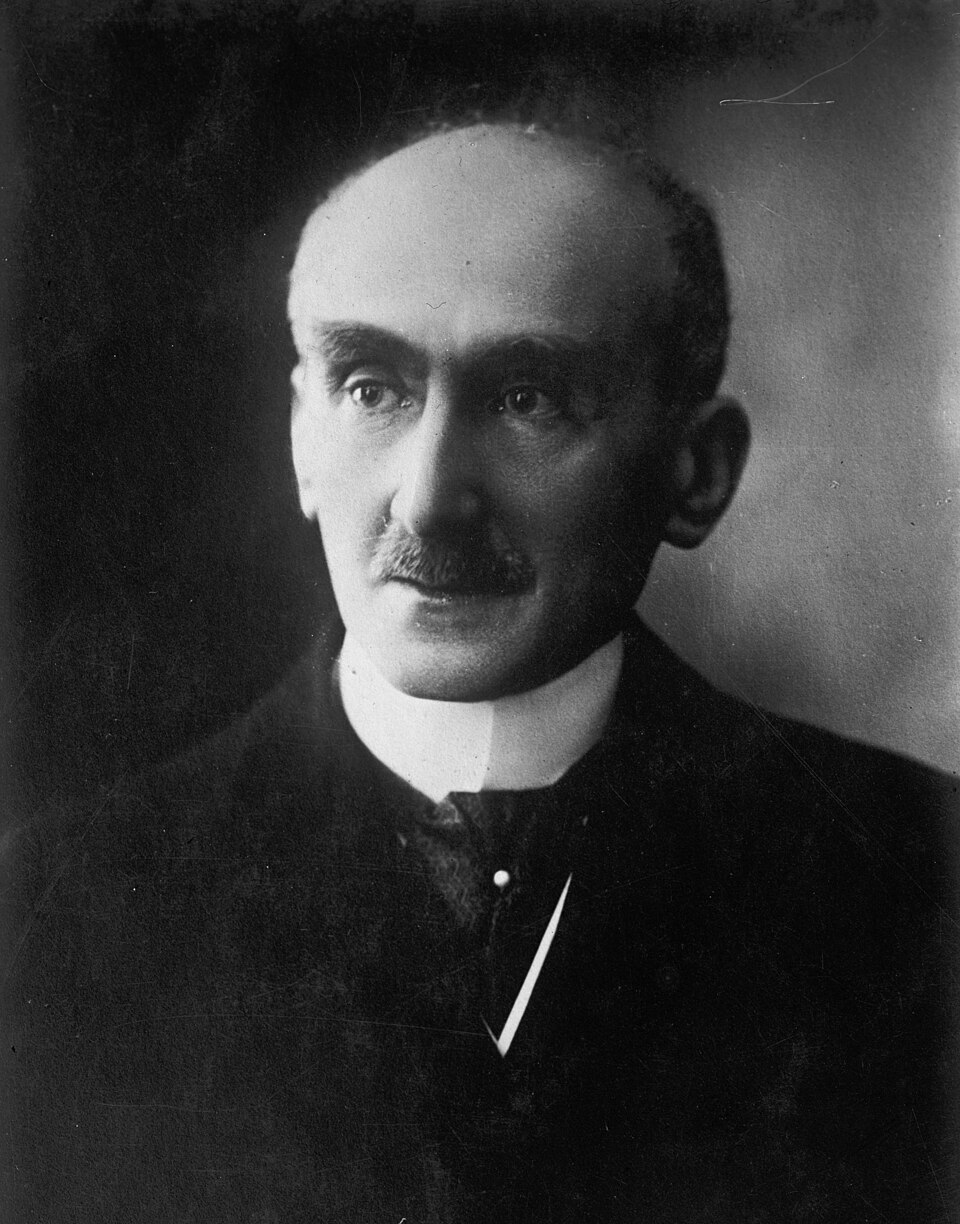
Henri Bergson1 audiobook with Academy Voices
Henri Bergson was a French philosopher who influenced both analytic and continental philosophy in the first half of the twentieth century.More about Henri Bergson →
Read by a real person
Luke Oldham15 audiobooks with Academy Voices
Why do we laugh? The French philosopher Henri Bergson looks closely at comedy and argues that we laugh when something living acts stiff and mechanical, like a man who slips on a banana peel or a person who keeps repeating the same habit.
Hear it read by Luke Oldham: the audiobook is right here
Story guide on this page: summary, characters, discussion questions
Yours to keep: a DRM-free EPUB for any device. Read it here, or on Kindle (with Send to Kindle), Apple Books, Kobo or Google Play Books.
Want both? Buy the audiobook and add the ebook for $0.99.
✓ DRM-free, yours to keep. Download the files after you buy and play them anywhere.
Yours to keepBuy once, it stays in your library
Listen anywhereIn our app on your phone or computer
Bought by mistake, or something wrong with the file? Email apica@academyvoices.com within 14 days for a full refund.
Bought by mistake or something wrong with the audio? Email apica@academyvoices.com within 14 days for a full refund.
About this audiobookAbout this book
Why do we laugh? The French philosopher Henri Bergson looks closely at comedy and argues that we laugh when something living acts stiff and mechanical, like a man who slips on a banana peel or a person who keeps repeating the same habit. Laughter, he says, is how society gently corrects such rigidity.
This essay asks about the meaning of humor itself, from clowns and puns to character and comedy on stage. Read by Luke Oldham, a little under four and a half hours.
For anyone curious about what makes things funny.
Story guide
Laughter: An Essay on the Meaning of a Comic summary
Spoiler alert: this summary tells the whole story.
Bergson begins with three observations. First, the comic is strictly human: a landscape can be beautiful but never funny, and we laugh at an animal or a hat only when it reminds us of a person. Second, laughter needs a momentary "anesthesia of the heart." If we feel too much sympathy for someone, we cannot laugh at them. Third, laughter is social. It needs an echo, and our laughter is always the laughter of a group.
Then he gives his central idea. A man running down the street stumbles and falls, and people laugh, because his body kept going mechanically when it should have adapted. What makes us laugh, Bergson says, is "something mechanical encrusted upon the living": rigidity, absent-mindedness and automatic habit where life ought to be flexible and alert. He follows this idea through funny faces, gestures that repeat like clockwork, disguises, and moments when the body seems to take over from the mind.
In the second chapter he looks at comic situations and comic language. Many comic scenes, he shows, are grown-up versions of children's toys: the jack-in-the-box that keeps popping up, the puppet on strings, the rolling snowball that grows and grows. He identifies the classic devices of comedy, such as repetition, reversal of roles and two situations getting tangled together, and he shows how words become funny when we take a figure of speech literally or slip into the wrong tone.
The third chapter turns to comic character. The comic character is usually someone stiff and unaware of himself, like the misers and hypocrites of Molière's plays. Laughter, Bergson argues, is a social gesture that punishes this kind of unsociable rigidity and nudges people back toward flexible, attentive living. He ends with an image of sea foam: laughter sparkles like froth on the waves, but a philosopher who tastes it may find it a little bitter.
Laughter is one of the most famous studies of comedy ever written. Its idea of the mechanical in the living still helps writers, comedians and students understand why things are funny.
Famous lines
Our laughter is always the laughter of a group.
Henri Bergson
To produce the whole of its effect, then, the comic demands something like a momentary anesthesia of the heart.
Henri Bergson
This corrective is laughter, a social gesture that singles out and represses a special kind of absentmindedness in men and in events.
Henri Bergson
But the philosopher who gathers a handful to taste may find that the substance is scanty, and the after-taste bitter.
The closing line
Main characters
HB
Henri BergsonThe French philosopher who wrote the essay.
M
MolièreThe French comic playwright whose characters supply many of Bergson's examples.
Did you know?
The essay first appeared as three articles in the French magazine Revue de Paris before being published as a book.
Henri Bergson won the Nobel Prize in Literature in 1927.
The English translation, published in 1911, was made by Cloudesley Brereton and Fred Rothwell.
Questions to talk about
Do you agree that nothing is funny unless it reminds us of something human? Can you think of an exception?
Bergson says we have to stop feeling sympathy in order to laugh. Is that true in your experience?
Think of a comedy you love. Where do you see "something mechanical encrusted upon the living"?
Why would laughter be a way for society to correct people? Is that kind or cruel?
What do you think Bergson means by his final image of the bitter sea foam?
Chapters
Laughter: An Essay on the Meaning of a Comic chapters
ChapterStarts at
Chapter 10:20
Chapter 1 continued57:05
Chapter 21:29:21
Chapter 2 conitnued2:26:43
Chapter 32:56:07
Chapter 3 continued3:51:11
New listeners
Get 25% off your first audiobook
Join our list and we'll email you 25% off, plus new releases from our store. Every one is read by a real person. No account needed.
Details
Length
4 hr 29 min
Narration
Solo narrator
Format
Unabridged audiobook
Publisher
Academy Voices
Language
English
ISBN
9798295357459
Cover art
After Frans Hals, Laughing Boy (c. 1625), Mauritshuis
Questions
What is Laughter: An Essay on the Meaning of a Comic about?
The French philosopher Henri Bergson asks why we laugh, and answers that we laugh when a living person starts acting like a machine, and that laughter is society's way of correcting that rigidity.
Who are the main characters in Laughter: An Essay on the Meaning of a Comic?
Henri Bergson, the French philosopher who wrote the essay; Molière, the French comic playwright whose characters supply many of Bergson's examples.
Who narrates the Laughter: An Essay on the Meaning of a Comic audiobook?
This edition of Laughter: An Essay on the Meaning of a Comic by Henri Bergson is narrated by Luke Oldham.
How long is the Laughter: An Essay on the Meaning of a Comic audiobook?
It runs 4 hr 29 min, unabridged, so you hear the complete text.
Is this audiobook narrated by a real person?
Yes. Every Academy Voices audiobook is Certified Human Voice: performed start to finish by a real narrator.
Where can I listen to Laughter: An Essay on the Meaning of a Comic?
Right here: buy it on Academy Voices and listen in your browser or our app. Hear a free sample on this page first.